 Save to Pinterest
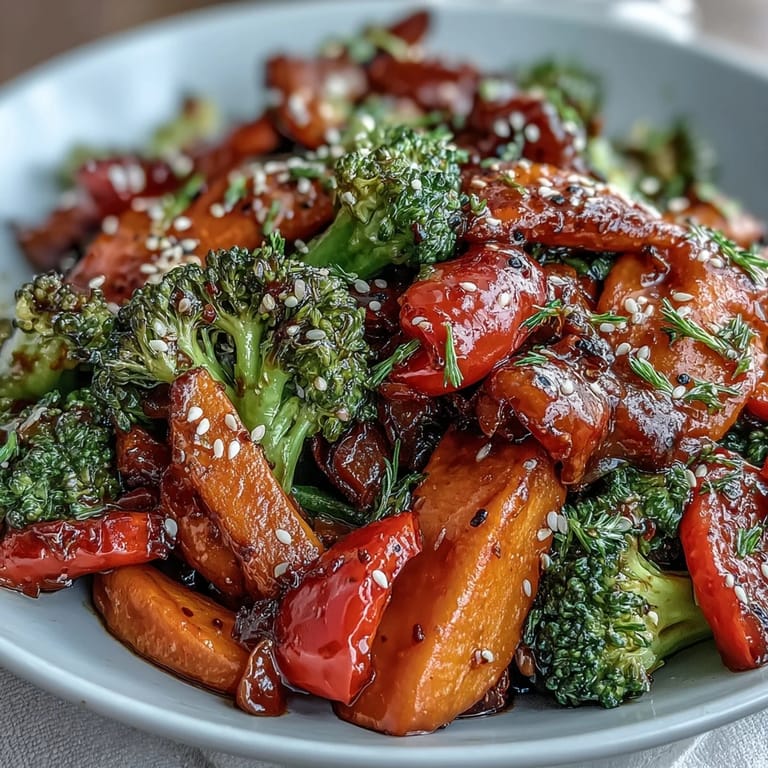
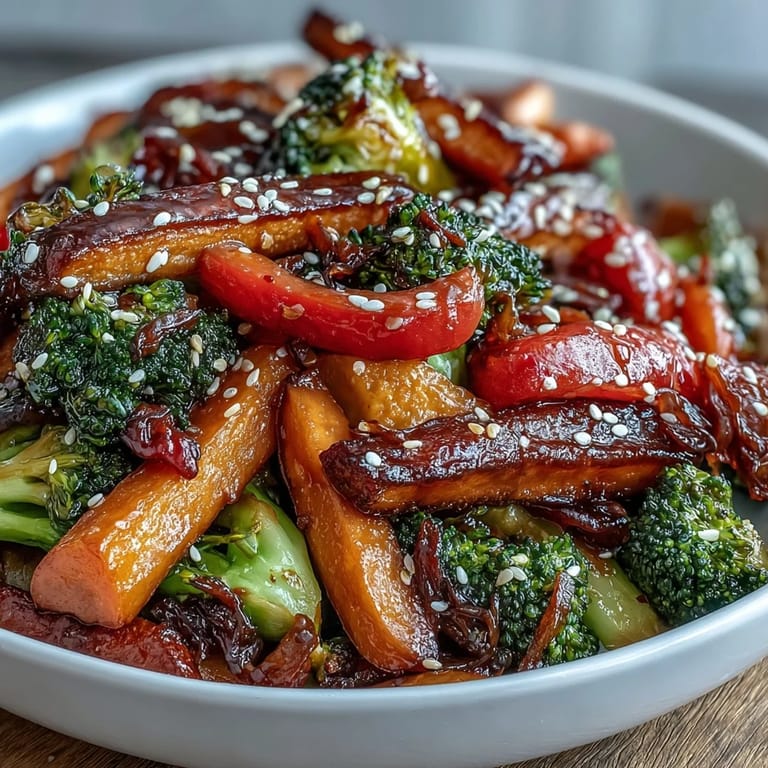
 There's something about the sound of vegetables hitting a hot wok on a cold evening that makes everything feel right. Last winter, I was standing in my kitchen on one of those grey afternoons when the sun barely shows up, and I realized I had a bunch of root vegetables getting soft in the crisper drawer and a jar of kimchi I'd been meaning to use. The combination felt obvious once I started chopping, and within thirty minutes I had this warm, vibrant bowl that tasted like it had been simmering in my head all day.
I made this for my neighbor who'd been dealing with a rough patch, and watching her face light up when she tasted it reminded me that good food doesn't need to be complicated to feel like care. She asked for the recipe three times, which told me everything I needed to know about whether it was worth keeping around.
Ingredients
- Broccoli florets: Cut these smaller than you think you need them so they actually soften in the time you have.
- Carrots: Bias-cut pieces cook faster and catch the sauce better than rounds or sticks.
- Parsnip: Often overlooked but it adds this subtle sweetness that plays beautifully against the spice and funk of the kimchi.
- Sweet potato: Matchstick thin is the key so it softens without turning mushy, keep your knife sharp and your cuts consistent.
- Green cabbage: Shredded, not chopped, which helps it wilt evenly and incorporate into everything else.
- Red bell pepper: Adds color and sweetness, slice it thick enough that it doesn't disappear into the pan.
- Fresh ginger: Grated not minced, because the shape matters when you're toasting it in hot oil.
- Garlic: Minced fine and added early so it flavors the oil itself before the vegetables go in.
- Toasted sesame oil: This is non-negotiable, the untoasted version tastes like nothing, and the toasted version is what makes this whole thing sing.
- Soy sauce or tamari: Tamari if you need gluten-free, but both work the same way here as your salt and depth.
- Rice vinegar: The brightness that cuts through all the richness and stops everything from feeling heavy.
- Maple syrup or honey: A teaspoon only, just enough to round out the flavors and make the sauce feel balanced.
- Kimchi: Chopped, and this is where the magic happens, added at the very end so the probiotics stay alive and the texture stays interesting.
- Green onions: Sliced and scattered on top for a pop of color and a fresh bite.
- Toasted sesame seeds: The final touch that makes you feel like you actually know what you're doing in the kitchen.
Tired of Takeout? 🥡
Get 10 meals you can make faster than delivery arrives. Seriously.
One email. No spam. Unsubscribe anytime.
Instructions
- Get everything ready first:
- Slice and chop every vegetable into the wok before you turn on the heat, this isn't being precious it's actually how this works in real time.
- Heat your oil properly:
- The sesame oil needs to shimmer and smell incredible before anything else goes in, this is how you know it's hot enough.
- Toast the ginger and garlic:
- Just thirty seconds of sizzle is enough to wake them up and infuse the whole pan, longer and they'll burn and taste acrid.
- Build the vegetables in layers:
- The harder things like carrots and parsnip need a head start, so they go in first and get a four or five minute head start before the quicker-cooking pieces join them.
- Watch for the crisp-tender moment:
- This is where attention matters, you want the vegetables to have some give but still have backbone, keep stirring and tasting as you go.
- Make your sauce separately:
- Whisking it together in a bowl before it hits the pan means the flavors blend smoothly instead of pooling in the bottom.
- The golden rule with kimchi:
- Add it off heat or at the very last second so those beneficial bacteria stay alive and you don't lose what makes this dish actually good for you.
- Garnish intentionally:
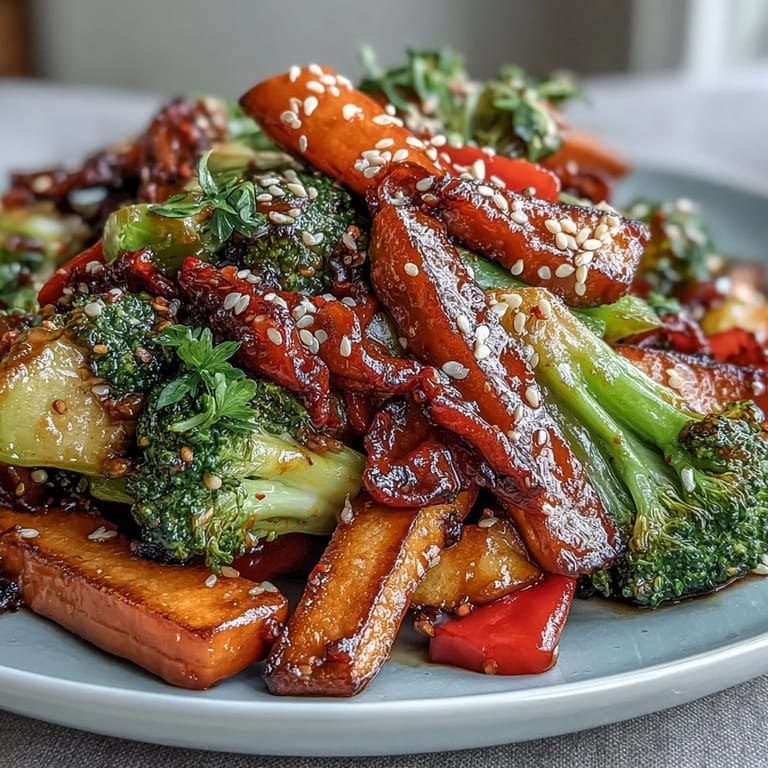
- The green onions and sesame seeds aren't just decoration, they're the final flavor notes that pull everything together.
 Save to Pinterest
 There was a morning I made this for myself before anyone else woke up, and I sat at the kitchen counter with the bowl steaming in front of me, and realized I was actually excited to eat what I'd made. That doesn't sound like much until you remember how many nights you eat something out of obligation instead of genuine want.
Why Winter Vegetables Work Here
Winter vegetables have a density and a sweetness that summer vegetables just don't have because they're storing energy for survival, which means they hold up to high heat and aggressive seasoning. The parsnip and sweet potato add this warm undertone that feels completely natural against the brightness of vinegar and the funk of kimchi, it's a combination that tastes like it was always meant to be together.
The Science of Eating Fermented Probiotics Hot
Most people think heat kills probiotics and that's technically true if you're boiling things for thirty minutes, but a quick toss off heat or into a hot pan for seconds doesn't actually destroy them the way long cooking does. The key is adding the kimchi at the end and keeping the pan off the stove, which is also why this recipe specifically tells you to do that instead of mixing it in earlier like you might think to.
Making This Your Own
The beauty of this recipe is that it's a template more than a rigid instruction, which means you can follow it exactly once and then start experimenting. The core technique of toasting aromatics, layering vegetables by cook time, and finishing with fermented elements works whether you're using what's in your crisper drawer or planning a shopping list.
- Try adding mushrooms, turnips, or kale as substitutes or additions depending on what looks good when you're shopping.
- If you want more protein toss in some tofu or chickpeas, though honestly this is complete on its own.
- Serve it over grains or noodles or eat it straight from the pan if you're alone and no one's watching.
 Save to Pinterest
 This recipe became a regular rotation in my kitchen because it tasted good and because it made me feel like I was doing something right by my own body. That's the kind of thing that sticks around longer than anything trendy ever will.
Recipe FAQ
- → Can I use other fermented vegetables instead of kimchi?
Absolutely. Sauerkraut, pickled vegetables, or homemade fermented vegetables work wonderfully. Just adjust seasoning to taste since different ferments have varying salt and acidity levels.
- → How do I keep the vegetables crisp-tender?
Maintain medium-high heat and avoid overcrowding the wok. Cook vegetables in batches if needed, and stir frequently to ensure even cooking without steaming.
- → Can I add protein to this stir-fry?
Yes. Tofu cubes, tempeh, edamame, or cooked chickpeas make excellent additions. Add them during the last few minutes of cooking to heat through without becoming mushy.
- → Why is kimchi added at the end?
Adding kimchi off the heat preserves the beneficial probiotics and live cultures, which can be destroyed by high heat. It also maintains the fermented texture and vibrant flavor.
- → What other winter vegetables can I use?
Turnips, rutabaga, butternut squash, brussels sprouts, kale, or collard greens all work beautifully. Cut them into similar sizes for even cooking times.
- → How long does this keep in the refrigerator?
Stored in an airtight container, this dish keeps well for 3-4 days. Reheat gently over medium heat, though the kimchi will continue to ferment and develop stronger flavor over time.