 Save to Pinterest
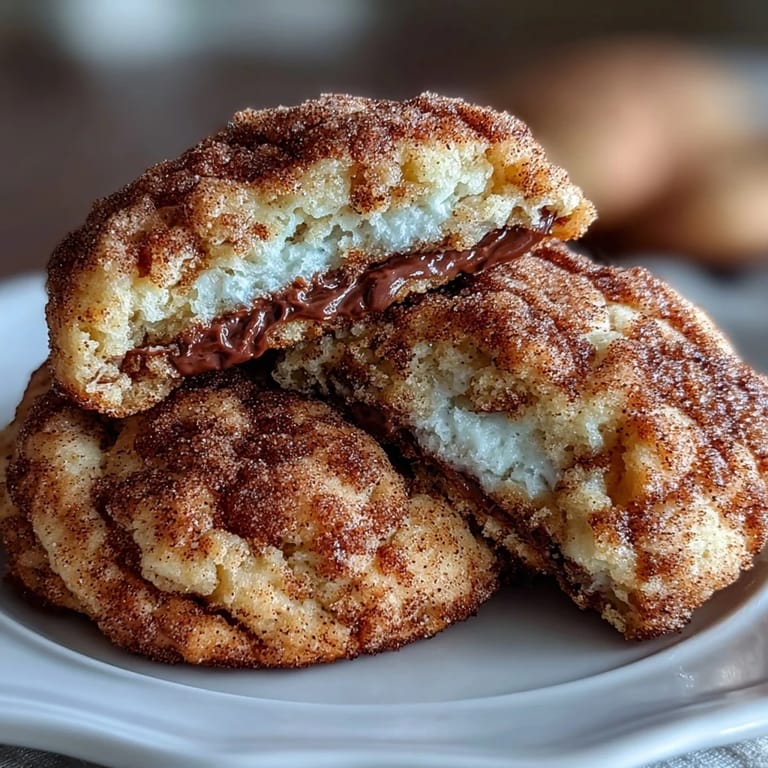
 My neighbor dropped off a container of cottage cheese she'd overestimated for a recipe, and I was determined not to let it go to waste. Standing in my kitchen that afternoon, I wondered what would happen if I baked it into cookies instead of the usual butter-only base. The result was unexpectedly magical—these soft, almost pillowy snickerdoodles with a subtle tang that made people pause mid-bite and ask what was different. Now they're my secret weapon whenever I need something that feels homemade but tastes like I spent way more effort than I actually did.
I brought a batch to my book club last month, and watching everyone's faces light up when they tasted them was worth every minute. One friend kept asking if there was cream cheese in them, which somehow felt like the highest compliment—soft, tangy, but still unmistakably a cookie. That's when I realized these weren't just a way to use up dairy; they'd become the thing people actually looked forward to.
Ingredients
- Cottage cheese (1 cup, full-fat or low-fat): This is your secret to that impossibly tender crumb; the moisture keeps cookies soft without making them cakey, and full-fat tastes noticeably richer but low-fat works just fine if that's what you have.
- Unsalted butter (1/2 cup, softened): Room temperature butter creams better with the cottage cheese, so take it out of the fridge 30 minutes before you start mixing.
- Granulated sugar (1 cup for dough, 1/4 cup for coating): Don't skip granulating your own cinnamon sugar; pre-mixed cinnamon sugar tastes stale compared to fresh-combined.
- Large egg: This binds everything together and adds richness without needing extra butter.
- Vanilla extract (2 tsp): Use real vanilla if you can; it makes a noticeable difference in something this simple.
- All-purpose flour (2 1/4 cups): Spoon and level your flour rather than scooping straight from the bag to avoid packing it down and making cookies dense.
- Cream of tartar (1 1/2 tsp): This is what makes snickerdoodles actually snickerdoodles; it creates that slight tang and helps the cookies spread beautifully.
- Baking soda (1/2 tsp) and baking powder (1/2 tsp): Together these give you gentle lift without making cookies cake-like or too puffy.
- Salt (1/2 tsp): A pinch of salt makes every flavor pop, especially the cinnamon.
- Ground cinnamon (2 tsp for coating): Fresh cinnamon matters here; old spices taste dusty and bitter, so smell yours before you use it.
Tired of Takeout? 🥡
Get 10 meals you can make faster than delivery arrives. Seriously.
One email. No spam. Unsubscribe anytime.
Instructions
- Set your stage:
- Preheat your oven to 350°F and line two baking sheets with parchment paper so you're ready the moment your dough is done. This simple step prevents scrambling at the last minute and gives you time to gather your small bowl for the cinnamon sugar mixture.
- Create the creamy base:
- Beat together the softened butter, cottage cheese, and 1 cup sugar in a large bowl until it looks smooth and fluffy, which usually takes about 2 minutes with an electric mixer. The mixture should look pale and fluffy, almost like fluffy frosting, which tells you the air has been properly beaten in.
- Add your wet ingredients:
- Crack in the egg and pour in the vanilla extract, then mix until everything disappears into the creamy base without any streaks. This is quick—maybe 30 seconds—and you'll see the batter come together beautifully.
- Combine your dry mix separately:
- In another bowl, whisk together the flour, cream of tartar, baking soda, baking powder, and salt so the leavening agents distribute evenly. Whisking takes just a minute but makes a real difference in how evenly your cookies rise.
- Bring wet and dry together gently:
- Add the dry ingredients to the wet mixture a little at a time, stirring until you see no flour streaks—this should take less than a minute. The moment you see a cohesive dough, stop mixing; overmixing develops gluten and makes cookies tough instead of tender.
- Prep your coating:
- Mix 1/4 cup sugar and 2 tsp cinnamon in a small bowl and set it within arm's reach. The coating is actually what gives these cookies their identity, so don't rush this step.
- Shape with purpose:
- Scoop dough using a tablespoon (or a small cookie scoop if you have one) and roll each portion into a ball between your palms—the warmth of your hands keeps the dough from cracking. Immediately roll each ball in the cinnamon sugar, coating all sides generously, and place it on the baking sheet.
- Space them properly:
- Leave 2 inches between cookies because they'll spread slightly as they bake, and you want them to stay separate and retain their shape. Crowded cookies bake into one giant mess.
- Bake with patience:
- Bake for 11 to 13 minutes, watching for the moment when the edges look set and the tops look just barely dry—they should still feel slightly soft if you gently press them. Every oven is different, so start checking at 11 minutes.
- Cool with care:
- Let cookies rest on the baking sheet for 5 minutes (they continue baking slightly from residual heat), then transfer them to a wire rack to cool completely. This resting period keeps them from breaking apart and lets them set properly without becoming hard.
 Save to Pinterest
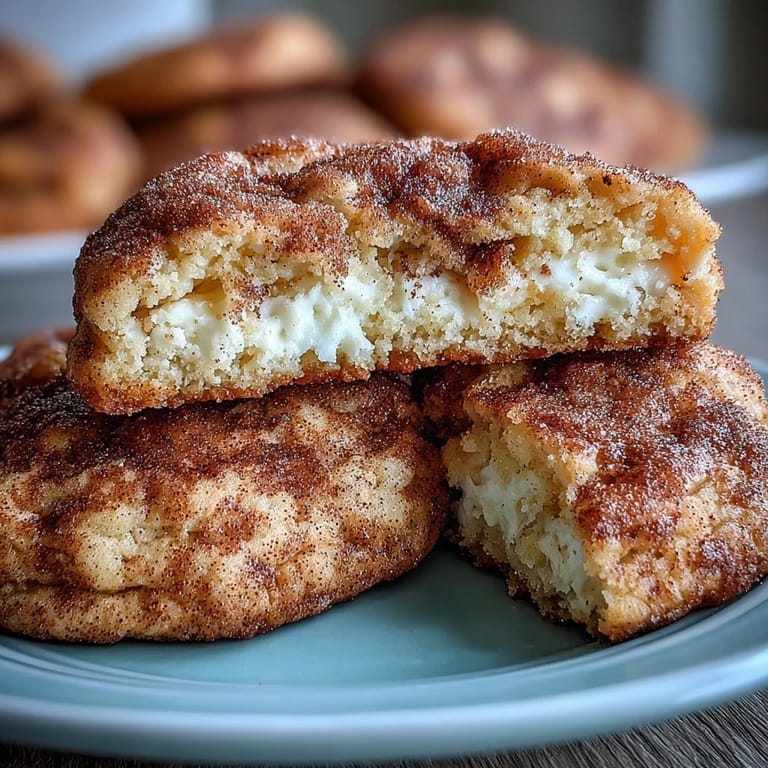
 There was a moment while cooling the first batch when my daughter wandered into the kitchen and grabbed one off the rack before it had fully cooled, burning her fingers a little but not caring because she needed to taste it immediately. That's when I knew these cookies had crossed from being a clever way to use up ingredients into something that actually mattered in our home.
Why Cottage Cheese Works So Well Here
Cottage cheese sounds unconventional until you realize it's mostly water and milk solids—exactly what keeps cookies tender without needing extra butter or oil. The slight tang it brings echoes through the cookie in a way that makes the cinnamon taste deeper and more interesting, almost like there's a whisper of complexity you can't quite name. It also means these cookies have a delicate crumb structure that feels luxurious without being heavy, which is why people reach for a second one without thinking about it.
Storage and Keeping Them Fresh
These cookies actually stay soft for at least three days when stored in an airtight container at room temperature, which is longer than most soft cookies last in my house. If you want to keep a batch longer, they freeze beautifully for up to a month—baked or unbaked—so you can pull out fresh cookies on a random Tuesday without starting from scratch. I learned this by accident when I forgot about a container in the freezer and rediscovered it weeks later, only to find they tasted almost as good as the day I made them.
Flavor Variations to Explore
Once you nail the basic recipe, you can experiment without fear because the cottage cheese base is forgiving and adaptable. Try swapping ricotta for a milder flavor, or add a pinch of nutmeg or cardamom to the cinnamon sugar coating for something that tastes more autumnal. A little vanilla bean paste instead of extract, a squeeze of lemon zest in the dough, or even a quarter teaspoon of almond extract can transform these into entirely different cookies while keeping that signature softness intact.
- Nutmeg or cardamom in the cinnamon sugar coating adds warmth and complexity that makes people wonder what your secret ingredient is.
- Low-fat ricotta creates a milder tang if cottage cheese feels too strong, though full-fat ricotta tastes creamier.
- These pair beautifully with chai, coffee, or even a glass of cold milk, making them perfect for any time of day.
 Save to Pinterest
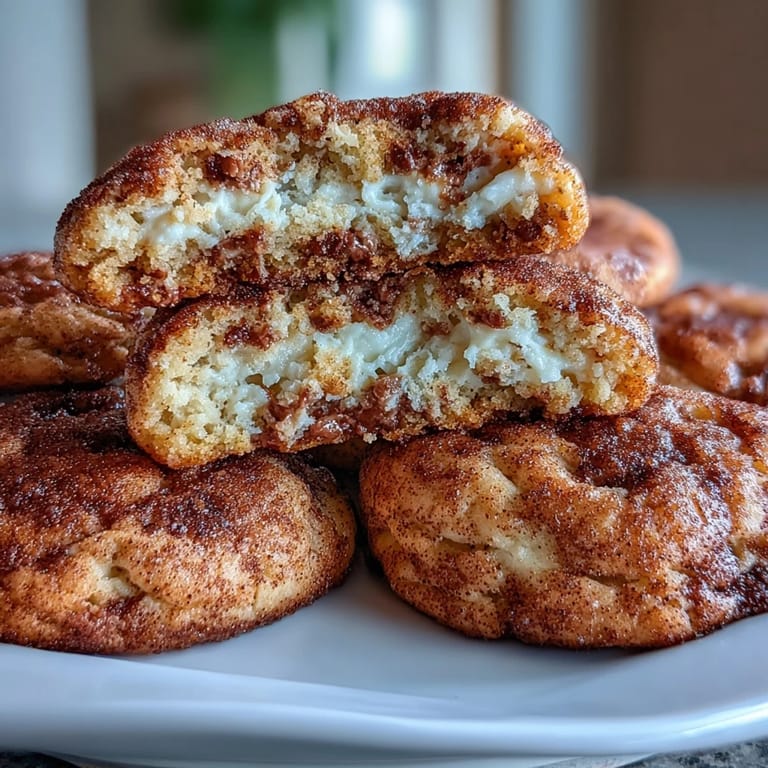
 These cookies remind me that the best recipes often come from accidents and leftovers, not from following trends. They're proof that something unexpected and a little unconventional can become the thing people actually want on their plate.
Recipe FAQ
- → What does cottage cheese add to the cookies?
Cottage cheese adds moisture and a subtle tang, making the cookies soft and tender with a rich texture.
- → How does the cinnamon sugar coating affect the flavor?
The cinnamon sugar provides a fragrant, sweet-spicy crust that complements the mild tang of the cottage cheese, enhancing the classic snickerdoodle taste.
- → Can I substitute ricotta for cottage cheese?
Yes, ricotta can be used instead of cottage cheese for a milder, creamier consistency without altering the overall texture significantly.
- → What is the role of cream of tartar in these cookies?
Cream of tartar helps create the signature soft, chewy texture and slightly crisp edges by reacting with baking soda.
- → How to prevent overbaking for softer cookies?
Remove cookies from the oven as soon as the edges set and the tops look just dry, then allow them to cool on the baking sheet.
- → Are these cookies suitable for vegetarians?
Yes, they contain no meat products and use vegetarian-friendly ingredients like eggs, dairy, and flour.