 Save to Pinterest
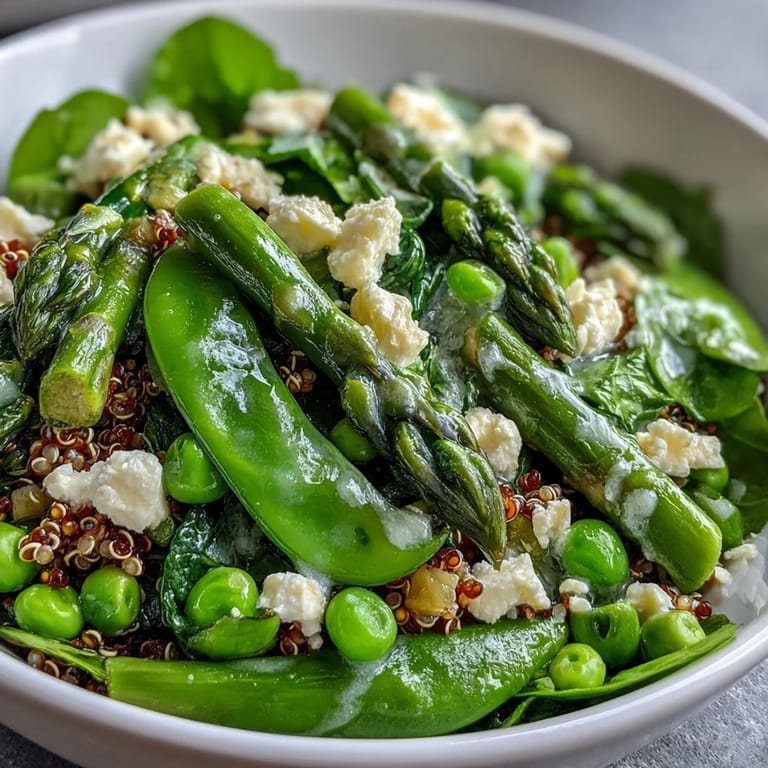
 Last spring, I stood in the farmers market on a Saturday morning watching someone load their bag with the most brilliant green vegetables I'd seen in months—and suddenly I realized I'd been cooking the same heavy winter meals for far too long. That afternoon, I threw together whatever greens looked promising, tossed them over some quinoa with a squeeze of lemon, and discovered that sometimes the simplest meals taste like pure relief. This bowl became my answer to that restless feeling when you want something bright and alive on your plate.
I made this for a friend who'd just moved to the city with nothing but a tiny kitchen and big doubts about cooking. Watching her face when she realized you could make something this good without fancy equipment or hours of prep time—that moment stuck with me. Now whenever she makes it, she texts me a photo, and somehow that bowl became shorthand for taking care of yourself.
Ingredients
- Quinoa, brown rice, or farro (1 cup, 180 g): Pick whichever grain you have on hand—quinoa is fastest and fluffiest, but rice and farro bring their own heartiness and chew to the bowl.
- Water (2 cups, 480 ml) and salt (½ tsp): Salting your cooking water from the start means your grains actually taste like something instead of filling your bowl like cardboard.
- Fresh or frozen green peas (1 cup, 150 g): Frozen peas are genuinely better here than fresh most of the year—they're picked at peak ripeness and stay bright green, which is what you're after.
- Asparagus (1 cup, 120 g): Cut into 2-inch pieces so they're easy to eat and cook evenly; the tender tips and softer stalks finish around the same time.
- Green beans (1 cup, 120 g): Trimming takes two minutes and makes eating so much more pleasant than leaving those tough ends on.
- Baby spinach (2 cups, 60 g): A handful of fresh spinach wilts down to almost nothing, which is exactly why it matters—it adds that green note without weighing anything down.
- Extra-virgin olive oil (3 tbsp): Don't skip the good stuff here because this dressing is the whole point; cheap oil tastes thin and bitter in comparison.
- Freshly squeezed lemon juice (2 tbsp) and lemon zest (1 tsp): The juice brings acid and brightness, but the zest is what makes people ask what's making everything taste so alive.
- Dijon mustard (1 tsp): A tiny amount emulsifies the dressing and adds this subtle warmth that makes everything taste more intentional.
- Maple syrup or honey (1 tsp): A touch of sweetness balances the lemon and mustard so the dressing doesn't taste aggressively sour.
- Garlic clove (1 small, minced): Raw garlic in dressing can be harsh, so keep it minimal and let it steep in the lemon juice for a minute first.
- Salt and freshly ground black pepper: Taste as you go because the grains, vegetables, and dressing all need their own gentle seasoning.
- Toasted pumpkin or sunflower seeds (2 tbsp, optional): Toasting them yourself in a dry skillet for two minutes makes them taste like they cost a lot more money than they do.
- Crumbled feta (¼ cup, optional): The saltiness and creaminess matter if you're using it, so don't crumble it too early or it'll dry out.
- Fresh herbs—mint, parsley, or dill (chopped, optional): Any of these work beautifully; I usually mix them so no single flavor takes over.
Tired of Takeout? 🥡
Get 10 meals you can make faster than delivery arrives. Seriously.
One email. No spam. Unsubscribe anytime.
Instructions
- Rinse and start the grains:
- Run your grains under cold water in a fine-mesh strainer, swishing them gently until the water runs clear—this removes starch and helps them cook evenly. Bring salted water to a rolling boil, add grains, then reduce heat low and cover; let them steam quietly until tender, which takes about 15 minutes for quinoa, 35 for brown rice, or whatever your package says.
- Blanch the spring vegetables separately:
- While the grains simmer, bring a large pot of salted water to a boil and set a bowl of ice water nearby. Drop your peas in first for 2–3 minutes until bright and tender, then fish them out with a slotted spoon and plunge them into the ice bath—this stops them cooking immediately and locks in that vivid green color. Repeat with asparagus and green beans, using the same ice bath water.
- Wilt the spinach gently:
- Heat a wide skillet over medium heat with no oil and add your spinach in handfuls, stirring occasionally until it releases its water and collapses into soft ribbons. This takes maybe 90 seconds, and the whole point is barely cooking it—overcooked spinach tastes like sadness.
- Whisk the dressing together:
- In a small bowl, combine olive oil, lemon juice, zest, mustard, maple syrup, and minced garlic, then whisk until the mixture emulsifies and becomes creamy. Taste it and adjust salt and pepper until it tastes bright and balanced, remembering it needs to be assertive enough to season everything else in the bowl.
- Build your bowls with care:
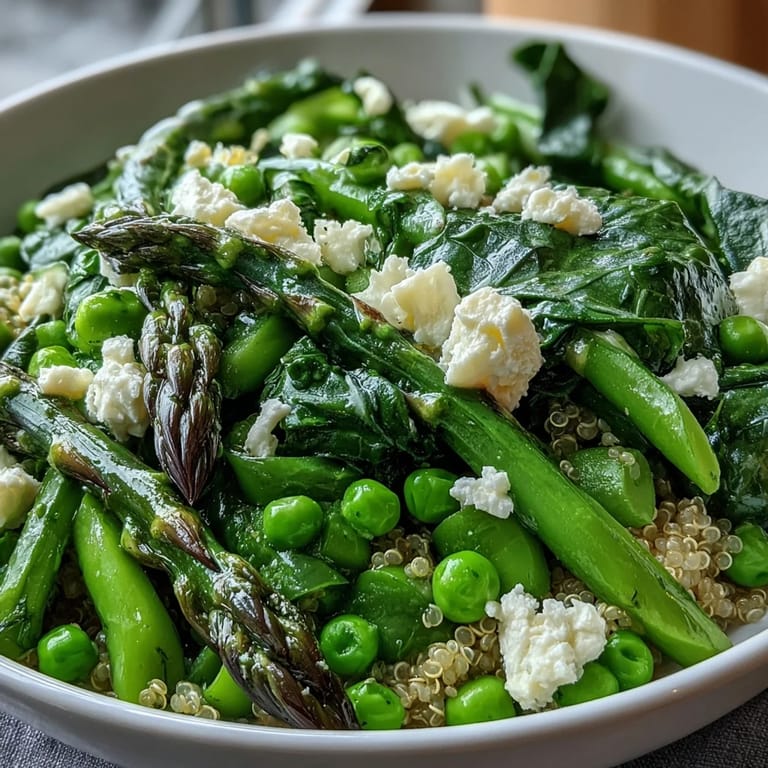
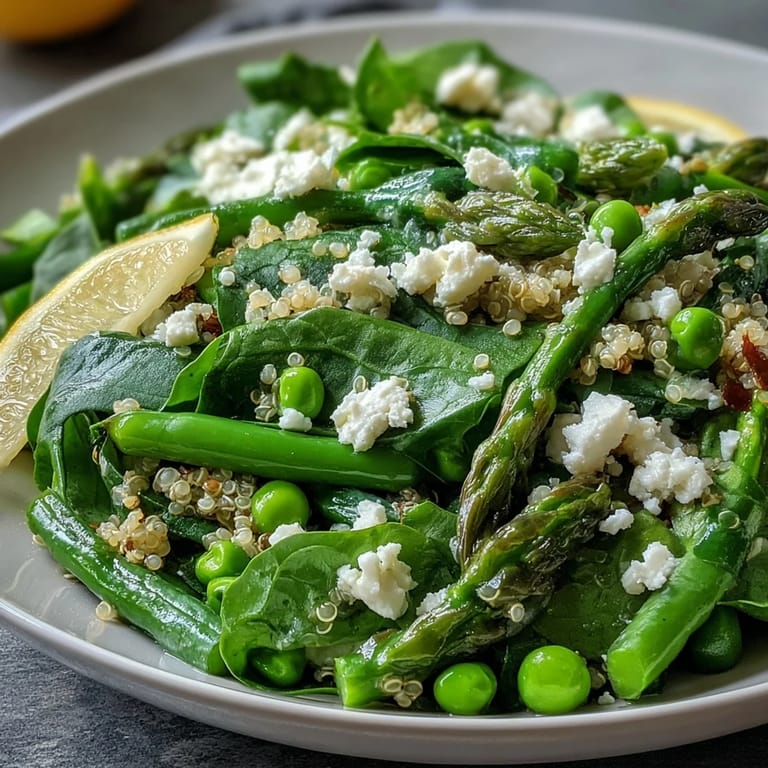
- Divide your warm grains among four bowls, then arrange all the vegetables on top in sections—this looks beautiful and lets people taste everything at once. Drizzle the dressing over the top in a thin stream so it soaks in without making anything soggy.
- Finish with the toppings:
- Scatter seeds, feta if you're using it, and chopped herbs over each bowl right before serving, because toppings added too early get soft and lose their crunch.
 Save to Pinterest
 There's a particular kind of satisfaction that comes from eating something this green and clean on a day when you've been stuck indoors, or when the weather finally turns warm enough to want something light. I've watched this bowl show up in the lunch containers of people who've never considered themselves cooks, and somehow that matters to me.
Why the Order Matters
The reason vegetables get blanched separately isn't pretentious—it's practical. Peas cook faster than green beans, and asparagus is somewhere in the middle, so if you threw them all in the pot at once, you'd have mush and crunch at the same time. Blanching also concentrates their flavor instead of leaching it into the pot water, which is why every vegetable tastes brighter and more like itself. The ice bath is the real trick because it stops the cooking completely and sets that brilliant color permanently, which is the visual promise this bowl makes.
Grain Choices and What They Bring
Quinoa is the fastest and fluffiest—it cooks in 15 minutes and has this light, almost popcorn-like texture that doesn't get heavy. Brown rice takes longer but brings chewiness and earthiness, so it feels more substantial if you're adding protein or eating a bigger portion. Farro splits the difference with its nutty flavor and tender bite, and honestly, whichever you choose is less important than using one you actually like eating, because the grain is half the bowl.
Make-Ahead Magic and Smart Storage
This is one of those recipes that actually improves with planning because everything tastes better when components aren't fighting for space in a warm bowl. Cook your grains and vegetables the morning of or even the night before, storing them in separate containers in the fridge where they'll keep for three days without spoiling. The dressing can live in a jar for a week, but always keep it separate from the assembled bowls until the last moment or everything turns to mush.
- Make the dressing first thing in the morning so the garlic gets time to mellow in the lemon juice and the whole thing tastes integrated rather than raw.
- If you're packing this for lunch or travel, bring the dressing in a small jar and drizzle it on just before eating so the vegetables stay crisp.
- Toasted seeds stay crunchy longer if you add them last, and fresh herbs should be chopped right before serving or they'll turn dark and bruised.
 Save to Pinterest
 This bowl taught me that cooking doesn't have to be complicated to feel like care, and that sometimes the best meals are the ones that taste like the season they're made in. Make this when spring actually arrives, and you'll understand why it became a favorite.
Recipe FAQ
- → Can I make this bowl ahead of time?
Yes, prepare the grains and vegetables up to 3 days in advance. Store components separately in airtight containers and keep the dressing aside until serving to maintain freshness.
- → What grains work best for this bowl?
Quinoa, brown rice, and farro all provide excellent texture and nutrition. Bulgur, couscous, or even barley make great alternatives depending on your preference and pantry staples.
- → How do I keep vegetables bright green?
Blanch vegetables in boiling water for just 2-3 minutes, then immediately transfer to ice water. This stops cooking and preserves that vibrant green color and tender-crisp texture.
- → Can I add protein to make it more filling?
Absolutely. Grilled chicken, baked tofu, roasted chickpeas, or even a soft-boiled egg pair beautifully. Simply prepare your chosen protein separately and arrange on top when assembling.
- → Is the lemon dressing adjustable?
The dressing balances acidity, sweetness, and savory notes. For more tang, add extra lemon juice. If you prefer sweeter, increase the maple syrup. The garlic and mustard provide depth and emulsification.
- → What vegetables can I substitute?
Sugar snap peas, broccoli florets, zucchini ribbons, or shredded Brussels sprouts work well. The key is using tender vegetables that cook quickly and maintain pleasant texture when lightly blanched.