 Save to Pinterest
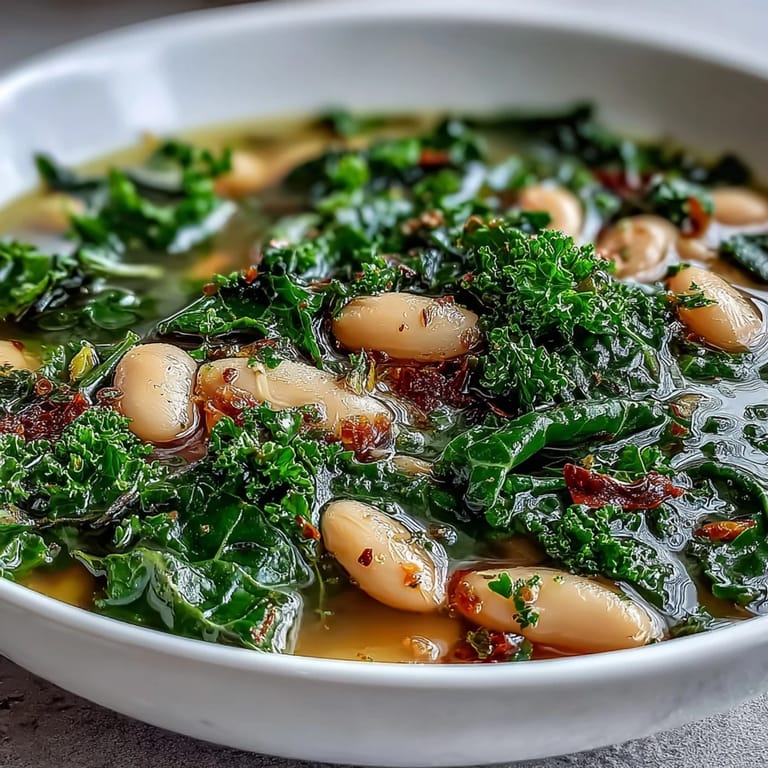
 Last winter, a friend showed up at my door on a blustery afternoon with a thermos of soup that tasted like pure comfort. It was simple, green-flecked, and somehow managed to be both light and deeply satisfying. She wouldn't share the recipe that day, but I spent weeks reverse-engineering it in my kitchen, adding garlic here, tweaking the lemon there, until I landed on something that brought back that exact feeling. This kale and white bean soup has become my answer to almost everything—a rough day, a need to feed people well, that moment when you want something nourishing but not heavy.
I made this for my sister when she was recovering from flu and needed something to actually want to eat. She sat at my kitchen counter wrapped in a blanket, and watching her face change when that first spoonful hit—that lemony warmth breaking through the saltiness—reminded me why I cook. She had a second bowl before I'd even finished cleaning the pot.
Ingredients
- Olive oil (2 tablespoons): Use a good quality one you'd actually taste, because it's doing real work here as your base flavor.
- Yellow onion (1 medium, diced): The foundation—take your time dicing it evenly so it softens at the same rate as the carrots.
- Carrots (3 medium, sliced): They add natural sweetness and body that grounds all those bright flavors.
- Celery ribs (2, sliced): Often overlooked, but celery is what gives this soup its aromatic backbone.
- Garlic (4 cloves, minced): Mince it yourself if you can—it makes a difference in how it infuses into the broth.
- Curly kale (6 cups, stems removed, leaves chopped): Massage it gently with your fingers once it's chopped so it softens faster when it hits the hot broth.
- Cannellini or great northern beans (2 cans, 15 oz each, rinsed and drained): Rinsing them removes the tinny flavor and excess starch that can make soup feel gluey.
- Low-sodium vegetable broth (6 cups): Low-sodium matters here because you're seasoning deliberately, not gambling with salt levels.
- Dried thyme (1 teaspoon): Thyme and white beans were made for each other—don't skip this.
- Dried oregano (1 teaspoon): It adds a subtle Mediterranean warmth that makes people ask what the secret ingredient is.
- Crushed red pepper flakes (1/2 teaspoon, optional): Just enough to keep things interesting without dominating.
- Lemon zest and juice (1 lemon): The zest goes in at the end, the juice moments before serving—this layering is what keeps the brightness alive.
- Salt and freshly ground black pepper: Taste as you go; the beans already carry salt, so you need less than you'd think.
- Fresh parsley (2 tablespoons, chopped, optional): It's not just decoration—it adds a fresh chlorophyll note that lifts the whole bowl.
Tired of Takeout? 🥡
Get 10 meals you can make faster than delivery arrives. Seriously.
One email. No spam. Unsubscribe anytime.
Instructions
- Build your flavor base:
- Heat the olive oil in your soup pot over medium heat until it shimmers slightly, then add the diced onion, carrots, and celery. Stir them around for five to six minutes, letting them soften and start to caramelize at the edges—you want them tender but not mushy, and that's when your kitchen will smell like every good soup memory you have.
- Wake up the garlic:
- Add your minced garlic and let it cook for just one minute, stirring constantly, until it smells almost aggressive in the best way. Don't let it brown or it'll turn bitter.
- Introduce the spices:
- Sprinkle in the thyme, oregano, and red pepper flakes if you're using them. Stir them into the vegetables and let them toast for thirty seconds so their flavors open up.
- Bring in the beans and broth:
- Pour in your rinsed beans and vegetable broth, and bring everything to a gentle boil. Once it's bubbling, turn the heat down to a simmer and let it go for ten minutes—this time lets the beans warm through and the seasonings start to marry.
- Add the kale and let it transform:
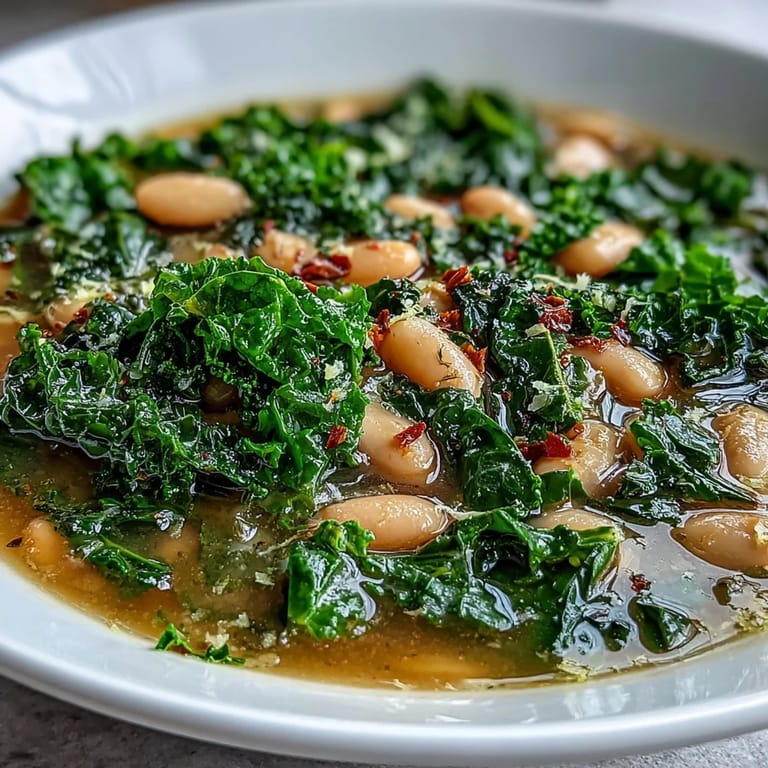
- Stir in your chopped kale—it will look like you've filled your pot with leaves, but trust the process. It wilts down in ten to twelve minutes, turning deep green and tender, while staying vibrant instead of gray.
- Finish with brightness:
- Stir in the lemon zest and a generous squeeze of fresh lemon juice, then taste and season with salt and pepper. The lemon is what transforms this from nice soup to memorable soup.
- Serve it warm:
- Ladle into bowls and top with fresh parsley if you've got it. A crack of black pepper and you're done.
 Save to Pinterest
 This soup has a way of showing up exactly when someone needs it. My neighbor brought me a container after I had surgery, and I remember eating it straight from the fridge at midnight because I couldn't sleep and wanted something that felt like care in a bowl.
The Secret of Texture
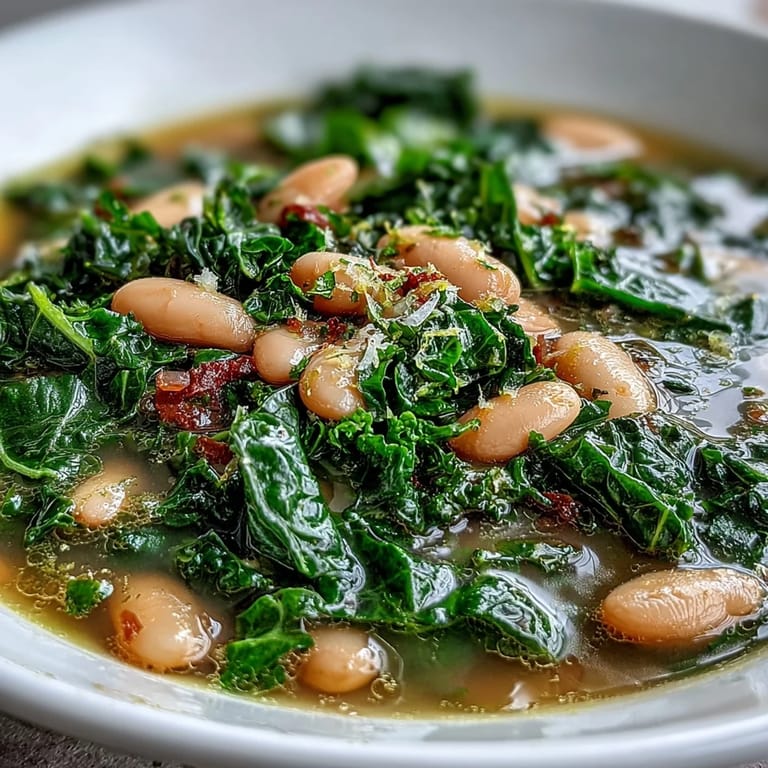
There's a moment while this soup simmers where you might feel like something's missing—it doesn't seem thick enough, or hearty enough. But that moment passes right around when the kale goes in. The combination of beans, softened vegetables, and that wilted kale gives you texture without heaviness. If you do want something creamier, mash about a cup of beans against the side of the pot before serving, or blend a cup of the finished soup and stir it back in. I learned this trick when a friend mentioned her version was almost velvety, and now I can't go back.
Serving and Pairing
This soup loves crusty bread—the kind you can drag through the broth to soak up every last bit of flavor. A thick slice of sourdough or a hunk of focaccia makes this feel like a proper meal instead of just soup. For a non-vegan version, a handful of grated Parmesan on top adds a salty, umami note that makes people ask for the recipe before they've finished their bowl.
When You Want to Make It Your Own
The beauty of this soup is how forgiving it is. Swap the kale for spinach if that's what you have, or add diced potatoes for extra body. I've made it with white sweet potatoes when I was feeling fancy, and with just about every herb combination I could justify. The core of it—beans, broth, garlic, lemon—stays the same, but you can play with the rest. One note: if you add potatoes, give them five minutes in the broth before the kale so they have time to soften.
- Spinach wilts even faster than kale, so add it in the last three minutes to keep it bright and tender.
- A splash of white wine before the broth adds subtle depth, but it's not necessary.
- Leftovers keep for five days in the fridge and freeze beautifully for up to three months.
 Save to Pinterest
 This soup reminds me why simple cooking matters—how a handful of good ingredients and a little attention can become something that feeds both hunger and something harder to name. Make it when you need comfort, or when someone else does.
Recipe FAQ
- → How do I ensure the kale stays vibrant and tender?
Add kale towards the end of cooking and simmer gently for 10-12 minutes so it softens without losing color.
- → Can I adjust the spice level in this dish?
Yes, including or omitting crushed red pepper flakes allows you to control the heat according to your preference.
- → What is the best way to enhance creaminess?
Mash some beans before adding or partially blend the soup to create a richer, creamier texture.
- → Are there suitable substitutions for kale?
Spinach or other leafy greens can be used in place of kale for a different texture and flavor.
- → What herbs complement the flavors here?
Dried thyme and oregano add an earthy depth that pairs well with garlic and lemon accents.