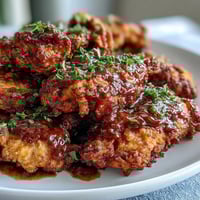
 Save to Pinterest
 My sister called me one Saturday morning asking if I could bring something to her kid's birthday party, and popcorn chicken was the first thing that came to mind. I'd never made it before, but I remembered sneaking these golden, crunchy bites at a fast-food counter years ago and thinking, "I could definitely do this better at home." Three hours later, I pulled a batch out of the oil that was so crispy and juicy my brother-in-law ate half of them before we even got to the party. Now whenever I fry up a batch, I'm not just making a snack—I'm recreating that moment of showing up with something everyone actually fights over.
I learned the hard way that marinating makes all the difference when a friend tried my first batch made with fresh, unmarinated chicken. It was fine, sure, but flat. The next time I gave the chicken a proper soak in buttermilk while I prepped everything else, and the difference was night and day—more tender, better seasoned all the way through, even in the smallest pieces.
Ingredients
- Boneless, skinless chicken breast or thigh (500 g): Thighs stay juicier if you're not watching the oil temperature like a hawk, but breasts work beautifully if you cut them into uniform, smaller pieces so they cook through evenly.
- Buttermilk (120 ml): Don't skip this or substitute with plain milk—the acid tenderizes the chicken and helps the seasoning cling to every piece.
- Garlic powder, onion powder, paprika, salt, and pepper (for marinade): These create a flavor base that seasons from the inside out; don't be shy with the amounts.
- All-purpose flour (150 g): The workhorse of your coating, giving structure and crispness.
- Cornstarch (50 g): This is your secret weapon for that extra-shatteringly-crispy exterior; it fries up differently than flour alone.
- Baking powder (1 tsp): Creates tiny air pockets in the breading that fry up light and airy instead of dense and heavy.
- Paprika, salt, cayenne pepper, and black pepper (for breading): Layer your spices here—this is the final flavor punch that makes each bite sing.
- Vegetable oil for deep frying: Use something with a high smoke point; peanut or canola oil won't burn and turn bitter the way olive oil would.
Tired of Takeout? 🥡
Get 10 meals you can make faster than delivery arrives. Seriously.
One email. No spam. Unsubscribe anytime.
Instructions
- Marinate the chicken:
- Toss your chicken pieces into a bowl with the buttermilk and all those spices, making sure every piece gets coated in that creamy marinade. Cover it and let it sit in the fridge for at least 30 minutes, or up to 4 hours if you're planning ahead—the longer it sits, the more flavorful and tender it becomes.
- Mix the breading:
- Whisk together the flour, cornstarch, baking powder, paprika, salt, cayenne, and black pepper in a large, shallow bowl. This dry mixture is where all your crunch and seasoning lives, so don't mix it halfheartedly.
- Heat the oil:
- Pour oil into your deep fryer or a heavy pot until it's about three-quarters full, then heat it to 180°C (350°F). If you don't have a thermometer, drop a tiny piece of breaded chicken in—if it sizzles immediately and floats to the surface within a few seconds, you're ready to go.
- Coat and double-dip:
- Pull chicken pieces from the marinade one handful at a time, letting excess drip off, then toss them in the flour mixture until they're completely covered. Here's the trick: after that first coating, dip the breaded piece back into the buttermilk for just a second, then coat it again in the flour mixture—this creates a thicker, crispier shell that stays crispy even after it sits for a few minutes.
- Fry in batches:
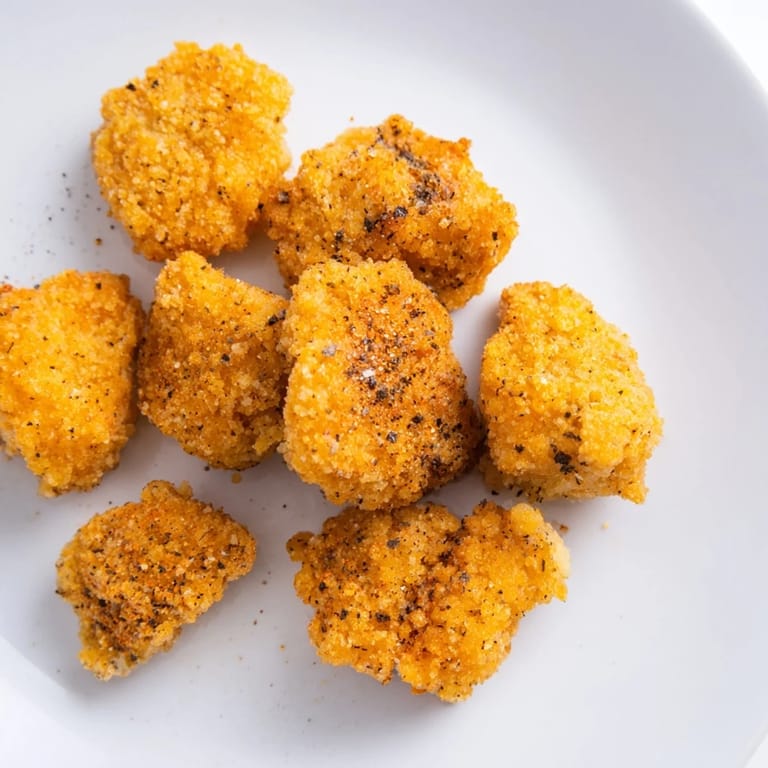
- Carefully add chicken to the hot oil in small batches, never crowding the pot—if you dump too much in at once, the temperature drops and you end up with greasy chicken instead of crispy. Fry for 3 to 4 minutes per batch until the pieces are golden brown and float to the surface, which usually means they're cooked through.
- Drain and rest:
- Use a slotted spoon to lift the chicken out and transfer it to a wire rack or paper towels to drain the excess oil while it's still hot. This keeps the bottom crispy instead of getting soggy from sitting in its own grease.
 Save to Pinterest
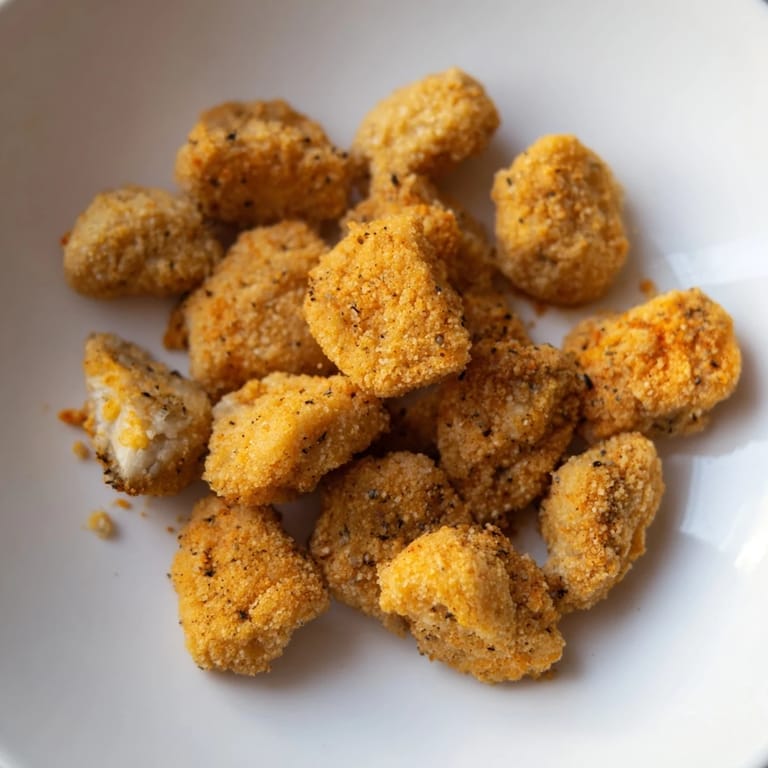
 I once made a huge batch for a game night and my roommate, who usually ate salads and complained about "fried food," grabbed a piece absentmindedly while watching the screen and then suddenly became furious because I'd only made two servings' worth. By the end of the night, he was asking for my recipe. That's when I realized this isn't really a snack—it's a vehicle for making people genuinely happy.
The Crispy Science Behind It
The reason popcorn chicken works so well comes down to those three breading components working together. The flour provides structure and browning power, the cornstarch creates a lighter, crispier texture than flour alone could ever achieve, and the baking powder introduces tiny air pockets that fry up golden and airy. When you double-dip, you're not just adding more coating—you're creating multiple layers with slightly different textures, so you get crunch on top of crunch. Temperature control is the final piece: at exactly 180°C, the outside browns beautifully while the inside stays juicy without becoming greasy.
Dipping Sauces and Serving Ideas
While popcorn chicken is delicious on its own, the right sauce can completely change the experience. Ranch dressing is the safe, classic choice that almost everyone reaches for first. Honey mustard adds a sweet-tangy brightness that makes the chicken taste even more savory by contrast, and a good barbecue sauce—smoky with just a hint of spice—turns these into something almost meal-like rather than just a snack.
Storage and Reheating
Popcorn chicken is best eaten fresh from the oil while it's still hot and crispy, but if you have leftovers, store them in an airtight container in the fridge for up to 3 days. To reheat without losing the crunch, spread them on a baking sheet and warm them at 190°C for about 5 minutes rather than using a microwave, which will make them soft and soggy. You can also freeze uncooked, breaded chicken pieces on a sheet tray, then fry them straight from frozen, adding just a minute or two to the cooking time.
- Fry fresh if you can—that's when they're at their absolute best.
- Reheat in an oven or toaster oven to preserve crispiness, never in the microwave.
- Cooked chicken can be frozen in an airtight container for up to a month, though the crust won't be quite as crispy when reheated.
 Save to Pinterest
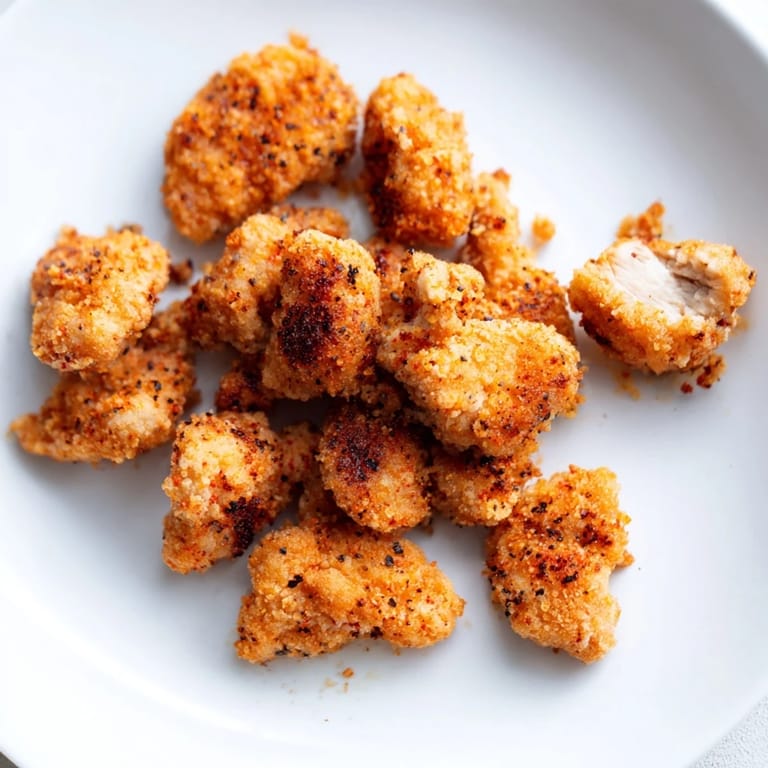
 There's something deeply satisfying about biting into something you fried yourself, that moment when the outside cracks and releases a little puff of steam. Once you've made popcorn chicken at home, the fast-food version will never taste quite the same again.
Recipe FAQ
- → How do I achieve extra crispiness?
For extra crunch, dip the chicken twice—first in the buttermilk marinade, then in the seasoned flour mixture. This double coating creates a thicker, crispier crust after frying.
- → Can I use chicken thighs instead of breast?
Yes, chicken thighs offer extra juiciness and rich flavor, making them a great alternative to breast pieces in this preparation.
- → What oil is best for frying?
Use vegetable oil or any neutral oil with a high smoke point to achieve even frying and a golden finish.
- → How long should I marinate the chicken?
Marinating for at least 30 minutes is recommended to tenderize the meat and infuse flavor. For deeper taste, marinate up to 4 hours in the refrigerator.
- → How can I add a spicy kick?
Increase cayenne pepper in the breading or add chili powder to enhance heat according to your preference.