 Save to Pinterest
 There's something about the way Limoncello hits you—that bright, almost floral punch of lemon liqueur that makes you sit up straighter. I discovered this cake on a humid July afternoon when my neighbor brought one over still warm from her oven, and the kitchen filled with this almost impossibly cheerful citrus fog. One bite and I understood why she'd gone to the trouble: it's the kind of dessert that tastes like sunshine tastes, if sunshine could be tender and moist and just slightly boozy in the most elegant way.
I made this for my mother's book club one autumn, and what struck me wasn't the compliments—though there were plenty—but how my mom kept sneaking slices throughout the afternoon. She'd disappear into the kitchen, come back with a thin sliver, and just smile. Later she told me it reminded her of a café in Amalfi where we'd sat years ago, eating lemon cake overlooking the water. That's when I realized this wasn't just a recipe; it was a way of keeping a good feeling alive.
Ingredients
- Unsalted butter (1 cup, softened): This is your foundation—creaming it with sugar until it's pale and fluffy is where the tender crumb starts, so don't rush it or skip the softening step.
- Granulated sugar (2 cups): The standard here matters because you're building structure and sweetness in equal measure; this amount balances the sharp lemon without becoming cloying.
- Eggs (4 large, room temperature): Cold eggs won't incorporate smoothly into the batter, so pull them out a few hours ahead or set them in warm water for five minutes.
- Limoncello liqueur (1/4 cup): This is the secret ingredient that keeps the cake tender and adds a complexity you can't quite name; cheaper bottles work fine here since you're baking it.
- Fresh lemon zest (2 tablespoons): Don't use the powdered stuff—the real zest gives you those little bright bursts of flavor that make people lean in closer.
- Fresh lemon juice (1/4 cup): Squeeze it yourself if you can; bottled juice sometimes tastes flat and a bit metallic by comparison.
- All-purpose flour (2 1/2 cups): Fluff it in the bag before measuring so you're not overpacking, which would make the cake dense and heavy.
- Baking powder (1 1/2 teaspoons): Check that it's not been sitting open for months; old baking powder won't give you the lift you need.
- Salt (1/2 teaspoon): A small amount actually amplifies the lemon flavor, so don't skip it even though it seems minor.
- Whole milk, room temperature (1/4 cup): This keeps things tender and creates a subtle tang that plays beautifully against the zest.
- Powdered sugar for glaze (1 cup, sifted): Sifting matters here because lumps in the glaze won't dissolve smoothly and you'll see them.
- Extra lemon zest (optional): A tiny sprinkle on top of the wet glaze looks beautiful and gives people a hint of what's coming.
Tired of Takeout? 🥡
Get 10 meals you can make faster than delivery arrives. Seriously.
One email. No spam. Unsubscribe anytime.
Instructions
- Get your oven ready and prep the pan:
- Preheat to 350°F and grease your loaf or bundt pan thoroughly, then dust it with flour so nothing sticks and ruins that beautiful top. If you're using a bundt pan, work the flour into all those decorative grooves carefully.
- Cream the butter and sugar into clouds:
- Beat them together for three to four minutes until the mixture goes from pale yellow to almost white and fluffy—this is where the tender crumb begins, so listen for the mixer to sound almost lazy. You'll know it's right when you lift the beaters and peaks form that collapse slowly.
- Add eggs one at a time like you mean it:
- Drop in an egg, let it fully disappear into the batter, then add the next one—rushing this creates pockets of unmixed egg and you'll taste the graininess. Wait thirty seconds between each one.
- Combine your zest, Limoncello, juice, and milk:
- Stir these together gently until you see the flecks of lemon throughout and the batter takes on a pale sunny color. This is where the magic starts smelling like something special.
- Mix your dry ingredients separately:
- Whisk the flour, baking powder, and salt together in another bowl—this distributes the leavening evenly and prevents overmixing when you combine everything. Use a fork if you don't have a whisk; it works fine.
- Fold everything together with restraint:
- Add the dry ingredients to the wet in two additions, stirring just until you don't see flour streaks anymore; overmixing develops gluten and makes the cake tough and dense. Stop as soon as it comes together.
- Pour and smooth:
- Transfer the batter to your prepared pan and use an offset spatula to level the top so it bakes evenly. Tap the pan on the counter once to release trapped air bubbles.
- Bake until a toothpick tells you the truth:
- Slide it into the oven for fifty to fifty-five minutes; start checking at forty-eight because ovens vary wildly. The toothpick should come out with just a few moist crumbs, not wet batter.
- Cool with patience:
- Let it sit in the pan for fifteen minutes—this keeps it from falling apart—then turn it out onto a wire rack to cool completely. Rushing this step and glazing while it's warm creates a muddy, uneven coating.
- Make the glaze while the cake cools:
- Sift the powdered sugar, then whisk in lemon juice and Limoncello until it's smooth and pourable like thin honey. If it's too thick, add a teaspoon of liquid at a time; too thin, add more sugar.
- Glaze and finish:
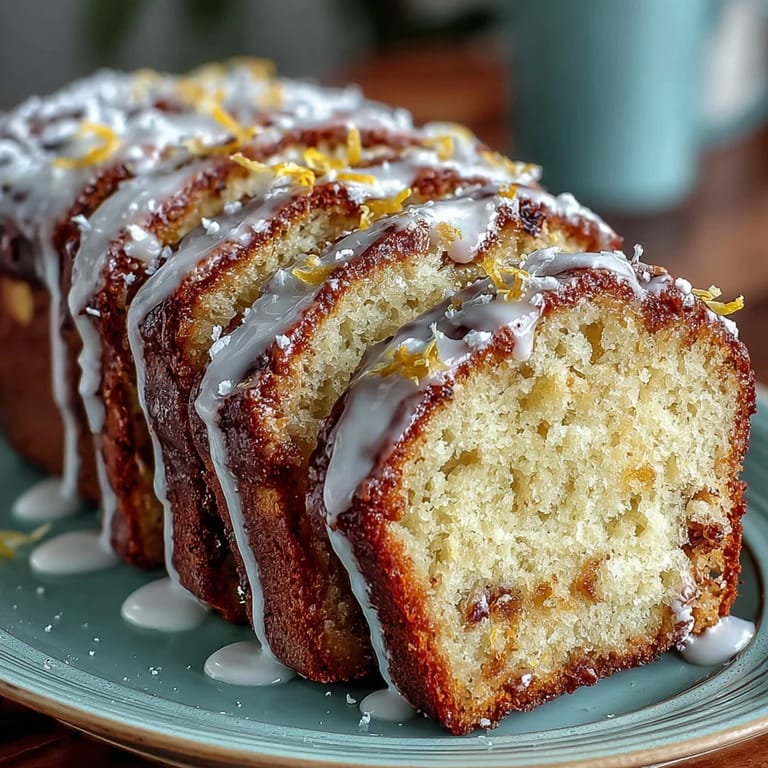
- Drizzle the glaze over the cooled cake and let it pool slightly down the sides—it should look elegant but effortless. Sprinkle with lemon zest if you're feeling fancy, then let it set for at least thirty minutes before slicing.
 Save to Pinterest
 What stays with me most is how this cake brings people together in a quiet way. Someone will take a bite, close their eyes, and suddenly the whole room feels a little warmer, a little brighter, like you've handed them something more than dessert.
Why This Cake Feels Timeless
Pound cake has been around since the 1700s, and it endures because it's simple and honest—just butter, sugar, eggs, and flour in perfect balance. Adding Limoncello and lemon to that foundation doesn't reinvent it; it whispers something bright into an old formula, making it feel like you're giving someone a classic but with a secret tucked inside. The texture stays tender for days, which is remarkable and useful when you want cake that tastes better on the second day than the first.
The Glaze Matters More Than It Looks
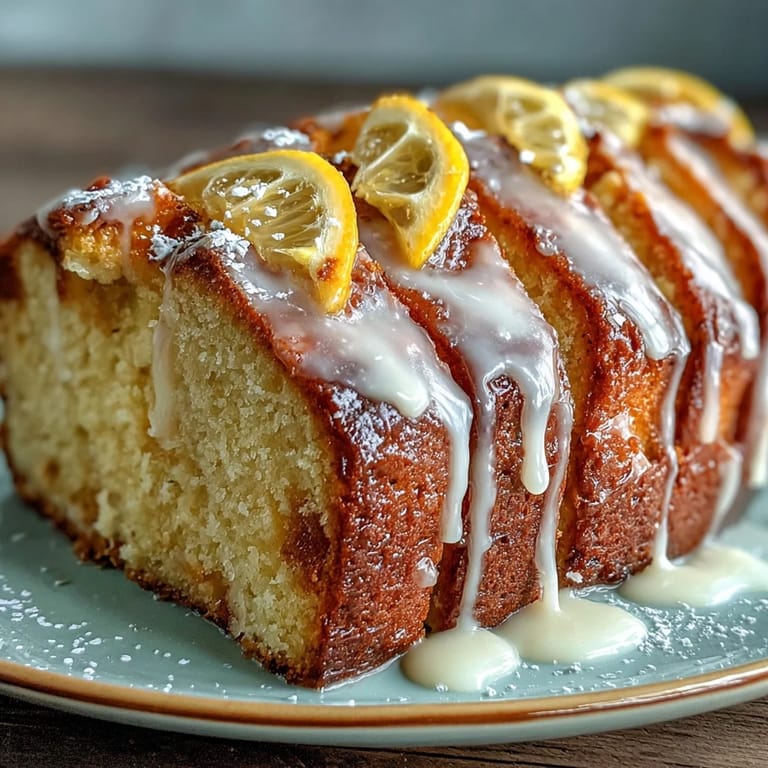
I learned this the hard way by underbaking my glaze until it was basically sweetened lemon water, which just soaked into the cake and disappeared. The right consistency—thick enough to coat but thin enough to pour—creates a thin, snappy shell that contrasts beautifully with the tender crumb underneath. It's the difference between a cake that feels finished and one that feels like something is missing, even though they taste almost identical.
Variations and Small Tweaks
Once you understand how this cake works, you can nudge it in different directions without breaking it. A tablespoon of almond extract added to the batter creates an almost marzipan note that makes the lemon feel more sophisticated, while swapping half the all-purpose flour for cake flour gives you an even more delicate crumb if that's what you're after. Some people add a pinch of nutmeg, which sounds odd until you taste it and suddenly everything feels rounder and warmer.
- For an alcohol-free version, replace the Limoncello with an extra tablespoon of lemon juice, though the flavor will be brighter and less mysterious.
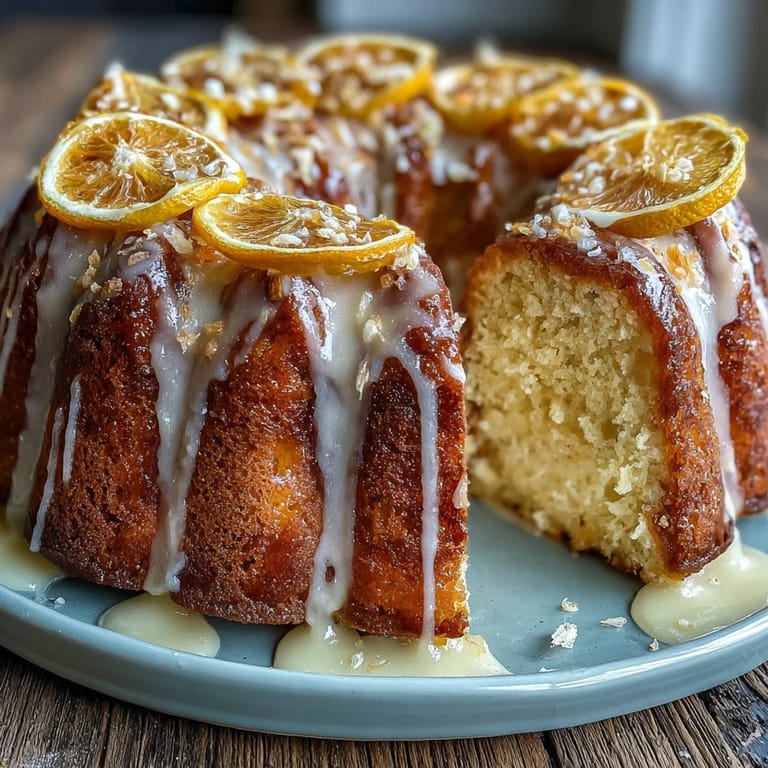
- If you're using a bundt pan, reduce the baking time by five minutes because the thinner cake heats faster.
- Make this cake a day or two ahead—it actually improves overnight as the flavors settle and the crumb becomes more tender.
 Save to Pinterest
 Make this cake when you want to feel like you've done something kind for the people around you. It's the sort of dessert that makes an ordinary afternoon feel a little less ordinary, and that matters.
Recipe FAQ
- → What gives the cake its moist texture?
The combination of softened butter, eggs, milk, and Limoncello liqueur contributes to the cake's moist and tender crumb.
- → Can I substitute the Limoncello liqueur?
Yes, you can replace Limoncello with additional fresh lemon juice for a non-alcoholic version, though the flavor will be less complex.
- → How do I know when the cake is done baking?
Insert a toothpick into the center; it should come out clean or with a few moist crumbs when the cake is fully baked.
- → What pan is best for baking this pound cake?
A 9x5-inch loaf pan or a bundt pan works well to ensure even baking and proper shape.
- → How is the lemon glaze prepared?
Whisk powdered sugar with fresh lemon juice and a small amount of Limoncello until smooth and pourable for the glaze.
- → Can I make the cake lighter in texture?
Substituting half the all-purpose flour with cake flour will create a lighter, softer crumb.