 Save to Pinterest
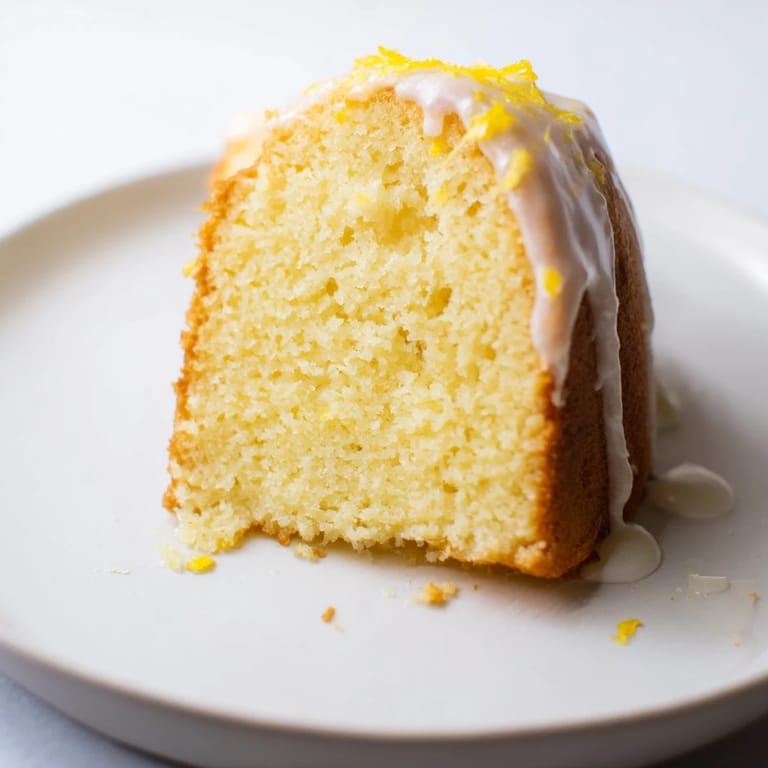
 My mother kept a lemon tree in her kitchen window, and I'd watched her bake this cake every spring when the fruit came in heavy. One afternoon, she handed me the zester and said simply, "Your turn." That first cake I made wasn't perfect—the crumb was a touch dense, the glaze pooled unevenly—but when I bit into it, I understood why she'd been making it for years. The bright, buttery richness with that sharp lemon note felt like sunshine in a slice.
I made this for a book club that gathered every other Thursday, and somehow it became the only thing anyone asked me to bring. There was something about passing around warm slices with tea that made conversations feel easier, more honest. One guest finally confessed she'd been trying to replicate it for months—that's when I realized this cake wasn't just dessert, it was permission to slow down.
Ingredients
- Unsalted butter (1 cup, softened): Let it sit at room temperature—cold butter won't cream properly and you'll end up with a dense crumb instead of that tender, fluffy texture.
- Granulated sugar (2 cups): Don't skip the creaming step; those few minutes of beating air into the butter and sugar are what make this cake light.
- Eggs (4 large, room temperature): Cold eggs won't incorporate smoothly, so pull them out of the fridge 30 minutes ahead.
- Whole milk (1/4 cup): Adds richness that buttermilk would make too tangy.
- Fresh lemon juice (1/4 cup plus 2–3 tablespoons for glaze): Bottled juice works in a pinch, but fresh lemon is where the flavor actually lives.
- Lemon zest (2 tablespoons, finely grated): This is the secret—zest gives you that pronounced lemon flavor without extra liquid that could make the cake soggy.
- All-purpose flour (2 1/2 cups): Measure by spooning into the cup and leveling, not scooping; packing flour changes the ratio and toughens the cake.
- Baking powder (1 teaspoon): Ensures a gentle rise without any metallic aftertaste.
- Salt (1/2 teaspoon): Amplifies the lemon and balances the sweetness.
- Powdered sugar (1 cup, sifted): Sifting matters here—lumps make the glaze grainy.
Tired of Takeout? 🥡
Get 10 meals you can make faster than delivery arrives. Seriously.
One email. No spam. Unsubscribe anytime.
Instructions
- Prepare your stage:
- Preheat the oven to 350°F and prep your loaf pan with a light coating of butter and flour or a fitted piece of parchment paper. This gives you one less thing to think about once you start mixing.
- Cream butter and sugar:
- Beat them together for 3–4 minutes until the mixture looks pale, fluffy, and noticeably lighter in color. You'll feel the difference in texture when you touch it—that's the air doing its job.
- Add eggs slowly:
- Drop in one egg at a time, beating well after each addition so the batter stays emulsified and smooth. Rushing this step can make the batter look curdled, which won't affect the final taste but throws you off.
- Combine wet ingredients:
- Mix the milk, lemon juice, and zest in a small bowl; the zest will start perfuming everything around it immediately.
- Dry mix strategy:
- Whisk flour, baking powder, and salt together in a separate bowl—this distributes the leavening evenly so you don't get streaky rising or dense pockets.
- Alternate and blend:
- On low speed, add a third of the flour mixture, then half the lemon mixture, then another third of flour, then the rest of the lemon mixture, then the final flour portion. Mix just until combined—overmixing develops gluten and makes the crumb tough and bouncy instead of tender.
- Fill and bake:
- Pour into the pan, smooth the top gently, and bake 50–55 minutes until a toothpick comes out clean with just a few moist crumbs. The cake will smell almost aggressively lemony around the 40-minute mark.
- Cool with patience:
- Leave it in the pan for 10 minutes so it firms up enough to turn out, then transfer to a cooling rack. Glazing a warm cake helps the glaze soak in slightly and set with a soft shine.
- Make and glaze:
- Whisk powdered sugar and lemon juice until smooth and pourable, then drizzle over the cooled cake. Let it set for 30 minutes before slicing so it hardens to a slight crunch.
 Save to Pinterest
 Years later, my mother passed that lemon tree to me, and I planted it in my own kitchen window. Baking this cake with fresh fruit I'd grown myself felt like a circle closing. The ritual became mine, and now my friends wait for spring too.
When to Reach for This Cake
This pound cake is your answer when you need something elegant but straightforward—it doesn't demand fancy techniques or rare ingredients, just good butter, fresh lemons, and a little patience. It's the kind of dessert that works equally well after a weeknight dinner or at the center of a tea party, which is probably why I've made it dozens of times over the years. Slice it thick, let it sit on the counter for a few minutes so the crumb settles, and you'll understand why butter cakes have stayed in kitchens for generations.
Storing and Keeping
Wrapped tightly in plastic wrap or stored in an airtight container, this cake stays fresh and moist at room temperature for three days, though honestly it rarely lasts that long. If you want to make it ahead, the batter can sit in the fridge for up to 4 hours before baking—just let it come to room temperature for 20 minutes before pouring it into the pan so it bakes evenly. The glaze is best applied just before serving, but the glazed cake will keep fine wrapped for a couple of days if you can't eat it all immediately.
Ways to Serve and Elevate
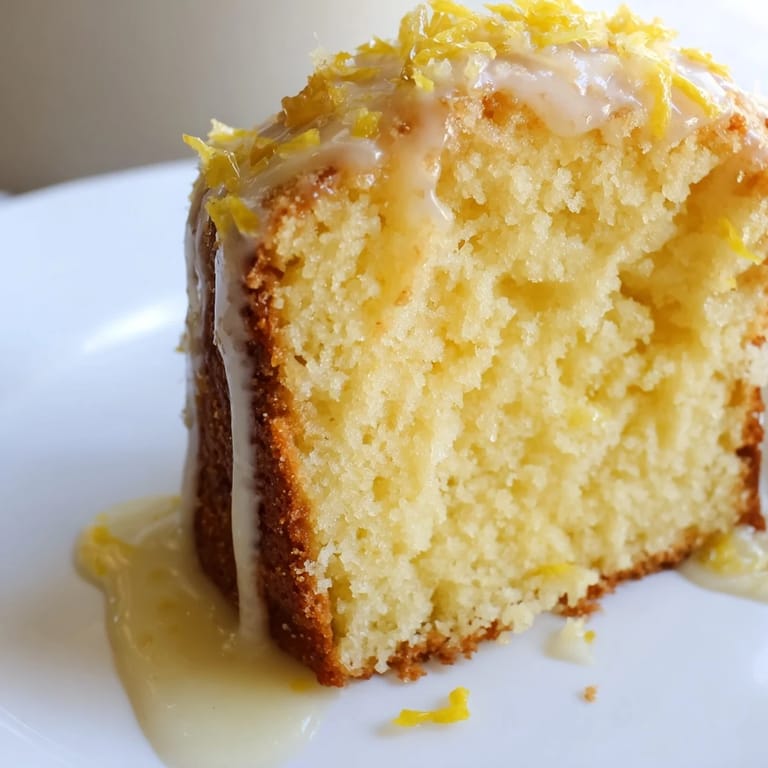
On its own, this cake is plenty, but there's something magical about pairing it with tea or coffee and letting it be the centerpiece of a quiet morning. A scoop of vanilla ice cream melting into a warm slice turns it into something special, or a dollop of unsweetened whipped cream and fresh berries makes it feel festive without any extra fuss. Consider it a blank canvas for your mood—sometimes it wants to be simple, sometimes it wants to be celebrated.
- Serve it at room temperature for the most tender crumb and fullest lemon flavor.
- Fresh berries or a compote on the side transform a simple slice into dessert.
- A dusting of coarse sugar on top adds visual interest and a subtle crunch.
 Save to Pinterest
 This cake is proof that simplicity done well never goes out of style. Bake it, share it, and let it become part of your own kitchen story.
Recipe FAQ
- → What gives the cake its lemon flavor?
Fresh lemon juice and finely grated lemon zest are used to infuse bright citrus notes throughout the batter.
- → How can I ensure the cake stays moist?
Careful mixing to avoid overworking the batter and proper baking time help maintain a tender crumb.
- → What is the purpose of the lemon glaze?
The lemon glaze adds a sweet and tangy finish, enhancing the cake's citrus flavor and moisture.
- → Can I substitute any ingredients for dietary needs?
Butter, eggs, and milk are essential for texture and flavor; substitutions may alter the final result significantly.
- → How should I store the cake after baking?
Wrap tightly and keep at room temperature for up to three days to maintain freshness and moisture.
- → What tools are recommended to prepare the cake?
A loaf pan, electric mixer, mixing bowls, whisk, measuring tools, and a zester are useful for best results.