 Save to Pinterest
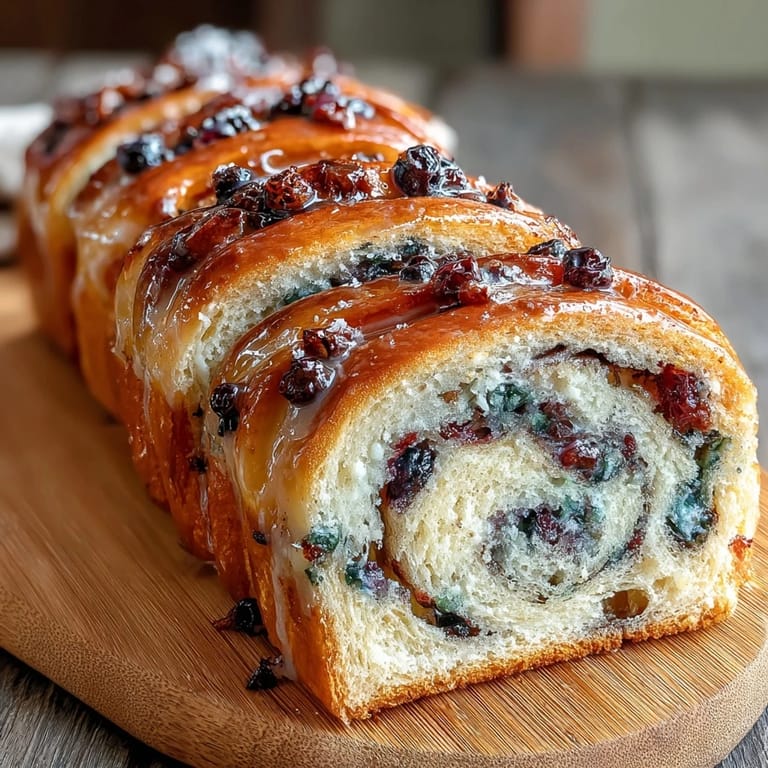
 There's something about the way sourdough starter bubbles that makes you feel like you're in on a secret. One Saturday morning, I was staring at my jar of starter wondering what to do with it when the smell of my neighbor's lemon tree drifted through the kitchen window. That's when it clicked—why not combine that tangy sourdough with bright citrus and bursts of blueberry? The result was this swirl loaf that turned my kitchen into something that smelled like a bakery and breakfast all at once.
I made this for my sister's book club last month, and watching everyone's faces light up when they bit into the swirl made me understand why people become bread bakers. One woman asked for the recipe while still chewing, which felt like the highest compliment. It became the kind of thing people texted about the next day.
Ingredients
- Bread flour (3 cups / 370 g): The structure of your loaf depends on this—it holds everything together while sourdough starter does its slow magic.
- Active sourdough starter (1/2 cup / 120 g at 100% hydration): This needs to be bubbly and alive; if it's sluggish, give it an extra feeding and wait a few hours.
- Whole milk, lukewarm (1 cup / 240 ml): Lukewarm means it should feel like a nice bath on your wrist, not hot—heat kills the magic.
- Unsalted butter, softened (1/4 cup / 55 g): Softened means it should give way when you press it, making the dough tender without deflating it.
- Granulated sugar (1/4 cup / 50 g for dough): This feeds your starter and gives the crumb a subtle sweetness that doesn't overpower the lemon.
- Large egg (1): This adds richness and helps the loaf brown beautifully on top.
- Fine sea salt (1 tsp): Salt strengthens the gluten network and brings out the flavor of everything else.
- Lemon zest (from 1 lemon): Use a microplane and zest directly into the dough—the oils are where the brightness lives.
- Fresh or frozen blueberries (1 cup / 150 g): Frozen works just as well as fresh and you don't need to thaw them for the swirl.
- Lemon juice (2 tbsp for swirl, 1-2 tbsp for glaze): Fresh squeezed is worth it; bottled juice tastes flat by comparison.
- Cornstarch (1 tbsp): This thickens the blueberry filling so it doesn't soak into the bread and make it soggy.
- Powdered sugar (1/2 cup / 60 g for optional glaze): A light glaze adds elegance without heaviness.
Tired of Takeout? 🥡
Get 10 meals you can make faster than delivery arrives. Seriously.
One email. No spam. Unsubscribe anytime.
Instructions
- Build the blueberry swirl:
- Combine your blueberries, sugar, and lemon juice in a saucepan over medium heat, stirring gently until the berries burst and release their juice (5-7 minutes total). The kitchen will smell incredible—stop and breathe it in. Stir in the cornstarch and cook for another minute or two until the mixture thickens enough that it coats the back of a spoon, then set it aside to cool completely; this step prevents the swirl from bleeding into the bread.
- Mix your dough:
- In a large bowl or stand mixer, combine your lukewarm milk, sourdough starter, softened butter, sugar, egg, salt, and lemon zest—mix until everything is incorporated and you don't see any white streaks of flour or butter. Gradually add the flour and knead for 8-10 minutes until the dough becomes smooth, elastic, and springs back when you poke it.
- Give it time to rise:
- Transfer the dough to a lightly greased bowl, cover it with a damp towel or plastic wrap, and let it sit at room temperature until it's doubled in size (4-6 hours depending on how active your starter is and how warm your kitchen feels). You'll know it's ready when pokes leave an impression that doesn't spring back immediately.
- Shape your loaf:
- Turn the dough out onto a lightly floured surface and gently shape it into a 9-by-16-inch rectangle using your hands and a rolling pin. Spread the cooled blueberry swirl evenly over the dough, leaving about a 1-inch border on all sides so the filling doesn't escape when you roll.
- Roll it up:
- Starting from one of the short ends, roll the dough tightly toward you like you're making a cinnamon roll, then place it seam-side down in your greased 9-by-5-inch loaf pan. The seam-side down placement keeps everything sealed and the swirl stays compact.
- Second rise:
- Cover the pan and let the dough rise at room temperature for 1-2 hours until it's puffy and has nearly doubled in height; you'll see it peeking above the rim of the pan. At this point, it should feel pillowy when you gently press it.
- Bake until golden:
- Preheat your oven to 350°F (175°C), then bake for 35-40 minutes until the top is deep golden brown and the loaf sounds hollow when you tap the bottom. If the top starts browning too quickly, tent it loosely with foil for the last 10 minutes.
- Finish with glaze (optional):
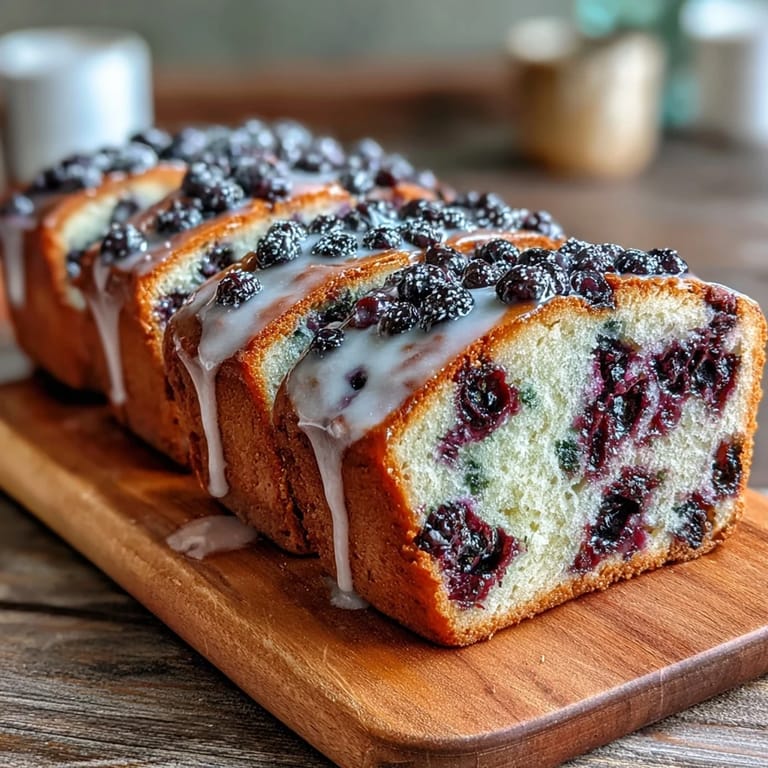
- Once the bread has cooled for at least 10 minutes, whisk together powdered sugar and lemon juice until it's the consistency of thin cream, then drizzle it artfully over the top. The warm bread will soften the glaze just enough so it clings without running off.
 Save to Pinterest
 I've learned that bread is as much about timing and patience as it is about technique. Last spring, I tried rushing the first rise by putting the dough in a warm spot and ended up over-proofing it so badly that it barely rose in the oven. Now I set a timer and actually check the dough by how it looks and feels, not just by the clock.
Why the Swirl Method Works
Most people stir blueberries directly into the dough and wonder why the bread comes out spotted and bruised-looking. Pre-cooking them into a thickened filling is the move that changes everything. You get defined pockets of berry flavor instead of purple stains, and the cornstarch acts like a barrier so the moisture from the blueberries doesn't make the surrounding crumb gummy.
The Sourdough Starter Advantage
Sourdough starter brings something that commercial yeast can't quite replicate—a complexity that makes people pause and ask what makes the bread taste different. The fermentation process develops acids that enhance the brightness of the lemon, and the slow rise builds flavor in every layer of the loaf. It's more forgiving too; if life gets busy, the dough can handle a longer rise without becoming over-yeasty or falling apart.
Storage and Serving Suggestions
This bread is at its absolute best when it's still slightly warm from the oven, but it holds up well wrapped in foil for the next day. Slice it thick and toast it if it's been sitting around; the toasting brings back some of that fresh-baked tenderness. It pairs beautifully with cream cheese or a cup of tea, and it's the kind of thing you'll find yourself eating plain while standing at the counter the morning after you bake it.
- Store your cooled loaf in an airtight container or wrapped tightly in foil at room temperature for up to 3 days.
- If your kitchen is particularly warm or humid, keep the bread in a bread box where it can breathe slightly instead of trapping moisture.
- You can freeze the entire loaf wrapped tightly for up to a month, then thaw it at room temperature for a few hours before serving.
 Save to Pinterest
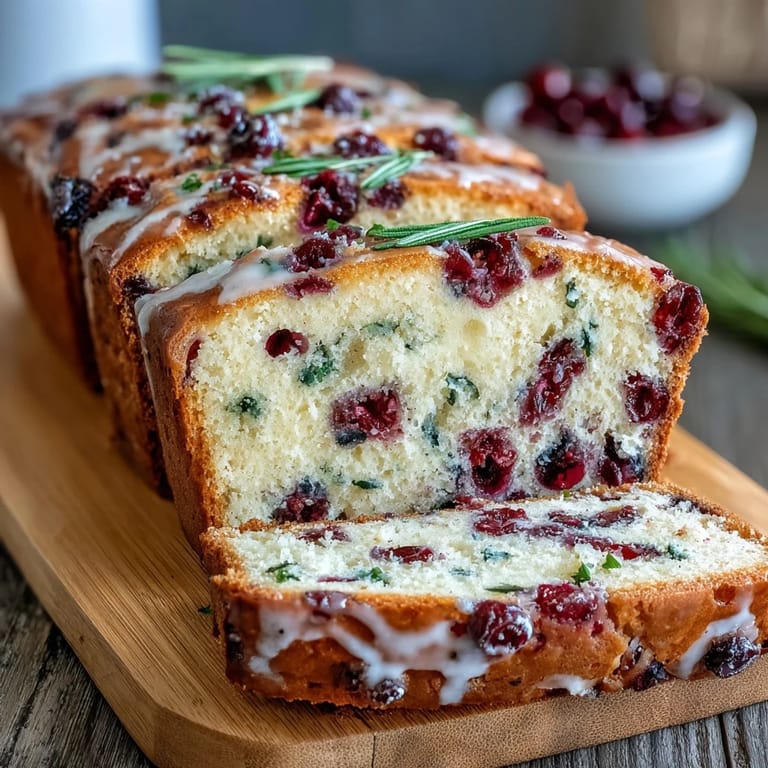
 There's something deeply satisfying about pulling a beautiful loaf out of the oven and knowing that you built it from humble ingredients and a little patience. This bread reminds me why I love baking—it brings people together.
Recipe FAQ
- → How do I prepare the blueberry lemon swirl?
Cook blueberries with sugar and lemon juice until bursting, then thicken with cornstarch and cool completely before spreading.
- → Why is the dough allowed to rise twice?
Two rises help develop flavor and structure, yielding a light and airy crumb in the final loaf.
- → Can frozen blueberries be used?
Yes, frozen blueberries work well and can be used directly, just allow the mixture to cook until thickened.
- → What is the best way to store the finished loaf?
Keep the loaf wrapped at room temperature for up to two days, or refrigerate and toast slices before serving.
- → Is there an optional way to enhance the flavor after baking?
You can drizzle a glaze made of powdered sugar and lemon juice over the cooled loaf for extra brightness.