 Save to Pinterest
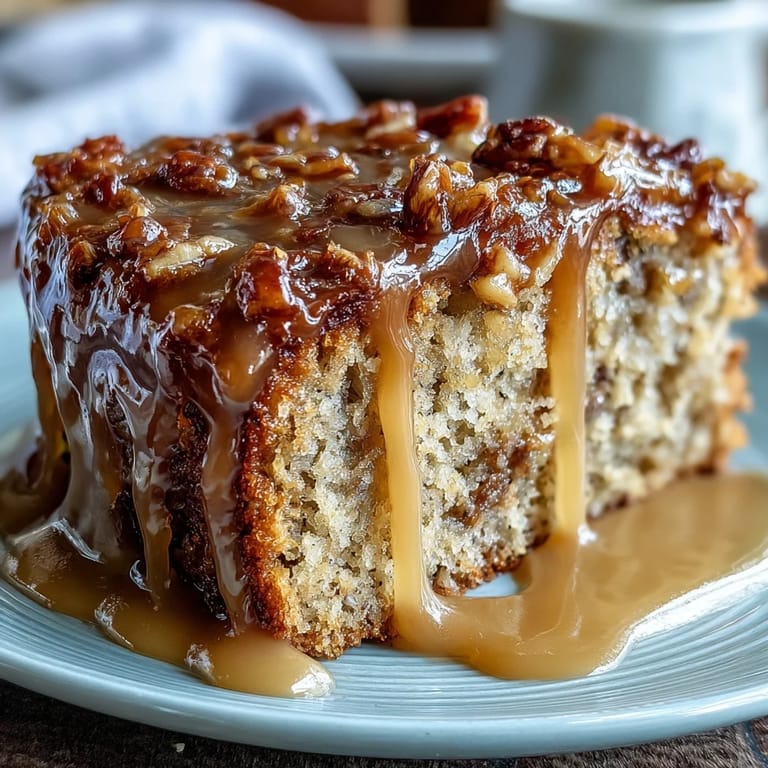
 There's something about spring that makes you crave something floral and bright, and this dandelion honey cake arrived in my kitchen on one of those crisp April mornings when the yard was suddenly full of yellow blooms. My neighbor had just given me a jar of dandelion honey from her own bees, and I found myself staring at it, wondering what it would become. The answer was this cake—tender, fragrant, with a glaze so sunny it practically glows on the plate.
I'll never forget serving this at a small tea party last May—my mother-in-law took one bite and immediately asked for the recipe, which honestly surprised me because she's skeptical of anything with flowers in it. By the end of the afternoon, we'd eaten half the cake between four people, and everyone was asking if I could make it again. That's when I knew it had crossed from experiment to keeper.
Ingredients
- All-purpose flour (2 cups): The foundation of everything—make sure it's measured by weight if you can, as scooping straight from the bag can pack it down and throw off your ratios.
- Baking powder and baking soda (1 1/2 tsp and 1/2 tsp): These work together to give you that tender crumb and gentle rise that keeps the cake moist rather than dense.
- Fine sea salt (1/2 tsp): A pinch of salt amplifies the floral honey and makes the lemon brighter without tasting salty at all.
- Unsalted butter (1/2 cup): Room temperature is non-negotiable here—cold butter won't cream properly and you'll lose that light, fluffy texture that makes this cake feel like a cloud.
- Dandelion honey (1/2 cup): If you can find it, use it; if not, regular honey works beautifully and the cake will still be wonderful, just a touch more conventional in flavor.
- Granulated sugar (1/2 cup): This balances the floral notes and gives the glaze something to cling to.
- Large eggs (3), room temperature: Cold eggs won't incorporate smoothly, and you need them to blend seamlessly into the honey-butter mixture for the best crumb.
- Pure vanilla extract (1 tsp): Don't skip this or substitute imitation—it rounds out the honey and lemon beautifully.
- Whole milk (1/2 cup), room temperature: The alternating method with flour keeps everything tender and prevents overmixing, which is the enemy of delicate cakes.
- Lemon zest and juice (2 tbsp each): The zest is where the brightness lives, so use a microplane if you have one—it catches all those fragrant oils.
- Powdered sugar (1 cup), sifted: Lumps in the glaze are your enemy, so don't skip the sifting step even though it feels fussy.
- Dandelion honey for the glaze (1 tbsp): A small amount brushed into the glaze creates a subtle cohesion between cake and topping.
Tired of Takeout? 🥡
Get 10 meals you can make faster than delivery arrives. Seriously.
One email. No spam. Unsubscribe anytime.
Instructions
- Get your mise en place together:
- Preheat the oven to 350°F and prepare your 9-inch pan with parchment or a light grease—nothing worse than fighting a stuck cake. Take everything out of the fridge now so the butter, eggs, and milk are all at room temperature by the time you need them.
- Build the dry foundation:
- In a medium bowl, whisk together flour, baking powder, baking soda, and salt until they're evenly distributed. This prevents any lumps of baking soda from creating bitter pockets in your finished cake.
- Cream the butter and honey together:
- Beat the room-temperature butter with dandelion honey and sugar for about three minutes until the mixture is pale and fluffy—you're essentially whipping air into it, which becomes the structure of your cake. Stop occasionally to scrape down the bowl so everything creams evenly.
- Bring in the eggs one at a time:
- Add each egg individually, beating well after each one—this helps them emulsify into the butter rather than sitting on top like oil. The mixture should look like pale, thick custard by the time all three are in.
- Add the vanilla, lemon zest, and lemon juice:
- Stir these in now while the mixture is creamy and they'll distribute evenly throughout. The aroma that rises up is honestly half the joy of making this cake.
- Alternate flour and milk in thirds:
- Start with a third of the flour, then half the milk, then another third of flour, then the rest of the milk, and finish with the last flour portion—this method prevents overmixing and keeps the cake tender. Stir just until each addition is barely combined before adding the next.
- Pour and bake:
- Transfer the batter into your prepared pan and smooth the top with a spatula so it bakes evenly. Bake for 35 to 40 minutes until a toothpick inserted in the center comes out clean or with just a few moist crumbs.
- Cool with patience:
- Let the cake rest in the pan for ten minutes so it sets slightly, then turn it out onto a wire rack to cool completely before glazing. Trying to glaze a warm cake is a recipe for the glaze sliding right off.
- Make the glaze:
- Whisk the sifted powdered sugar with lemon juice, starting with 2 tablespoons and adding more if you need a thinner consistency. Stir in the dandelion honey until the glaze is smooth and pourable.
- Finish with a drizzle:
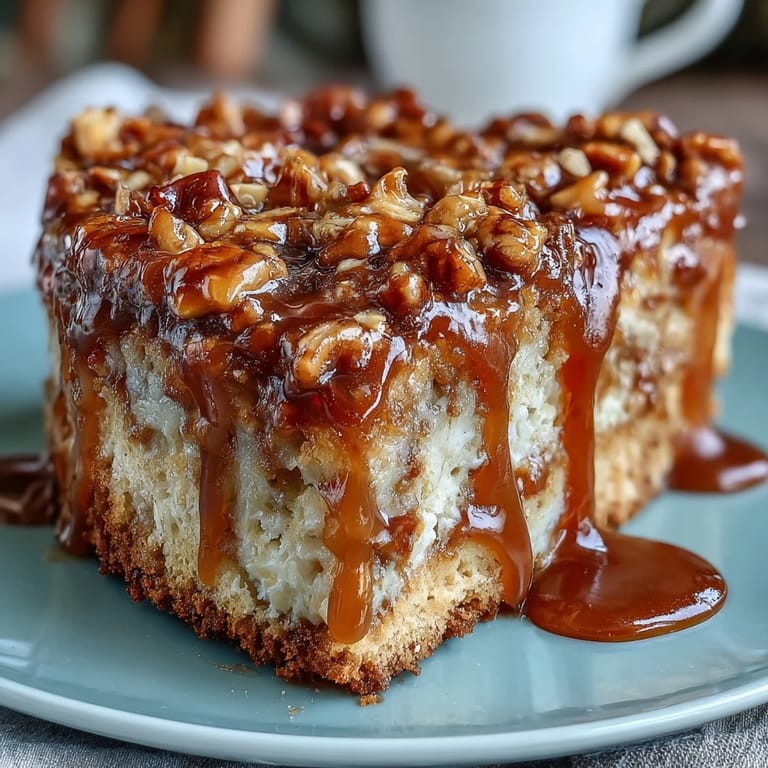
- Pour the glaze over the cooled cake and let it pool naturally into the crevices—it'll set in about 10 to 15 minutes. The contrast of that bright yellow glaze against the tender golden cake is truly beautiful.
 Save to Pinterest
 What struck me most was watching someone take a bite of this cake with afternoon light coming through the kitchen window, and seeing their eyes light up at that first taste of honey and lemon together. That's when food stops being about technique and becomes about connection.
The Magic of Dandelion Honey
I'd never thought much about dandelion honey until I started using it in baking, and now I can't imagine this cake without it. The flavor is delicate but distinctly different from regular honey—it has an almost herbal quality that plays beautifully with lemon. If you can find it at a farmers market or from a local beekeeper, it's worth seeking out, though regular honey will never disappoint you.
When to Serve This Cake
This cake is at its absolute best in spring and early summer, served with tea or alongside fresh berries on a white plate. I've made it for baby showers, small birthday gatherings, and quiet afternoons when I just wanted to feel a little bit fancy at home. It's the kind of dessert that makes people feel cared for without requiring you to spend all day in the kitchen.
Storage and Make-Ahead Options
The cake keeps beautifully in an airtight container at room temperature for up to three days, so you can bake it the day before a gathering without stress. The glaze is best applied shortly before serving, but an unglazed cake will keep wrapped in plastic wrap and actually improves slightly as the flavors meld overnight. You can even freeze an unfrosted cake for up to a month—let it come to room temperature before glazing.
- Make the batter up to two hours ahead and let it sit at room temperature before baking, which actually gives the leavening agents time to work more effectively.
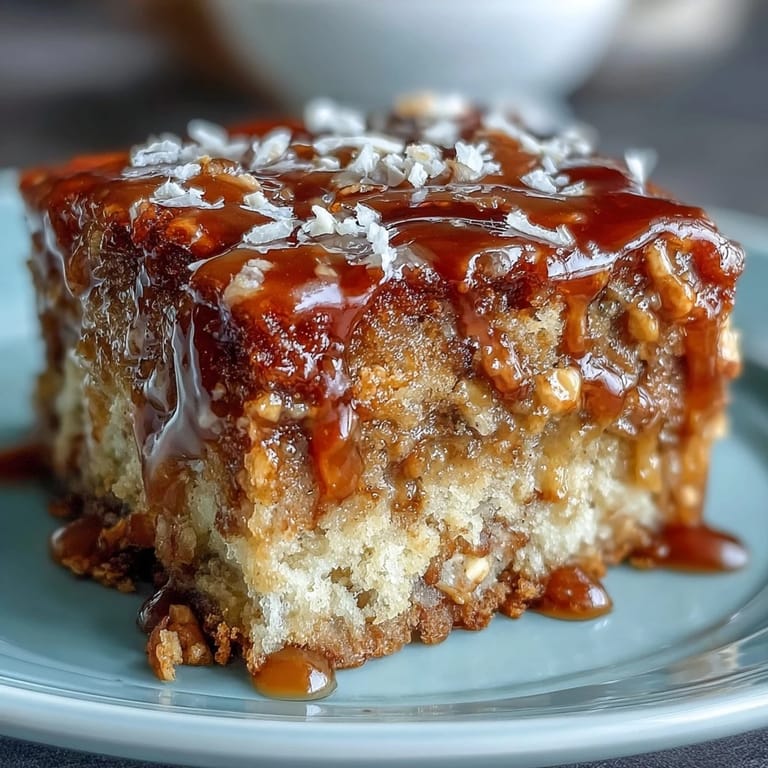
- If you're decorating for guests, a light dusting of lemon zest on top of the glaze adds visual appeal and a subtle reminder of what's to come.
- This cake pairs unexpectedly well with sparkling wine or a light herbal tea, so think about your whole gathering when planning dessert.
 Save to Pinterest
 This cake is a reminder that the simplest ingredients—flour, eggs, honey, and lemon—can become something extraordinary when they're treated with care. Bake it whenever you want to taste spring, or share it whenever you want someone to know they matter.
Recipe FAQ
- → What flavor does dandelion honey add?
Dandelion honey offers a delicate floral sweetness that enhances the moist cake with subtle earthy and aromatic notes.
- → How is the lemon glaze prepared?
The glaze combines powdered sugar with freshly squeezed lemon juice and a touch of dandelion honey, whisked until smooth and drizzled over the cooled cake.
- → Can the cake be stored and for how long?
Store the cake in an airtight container at room temperature for up to 3 days to maintain freshness and moisture.
- → What texture should the cake have after baking?
The cake should be moist and tender with a soft crumb, complemented by the slight tang from the lemon glaze on top.
- → How can I add more dandelion flavor?
Incorporate finely chopped unsprayed dandelion petals into the batter for a more pronounced floral taste.