 Save to Pinterest
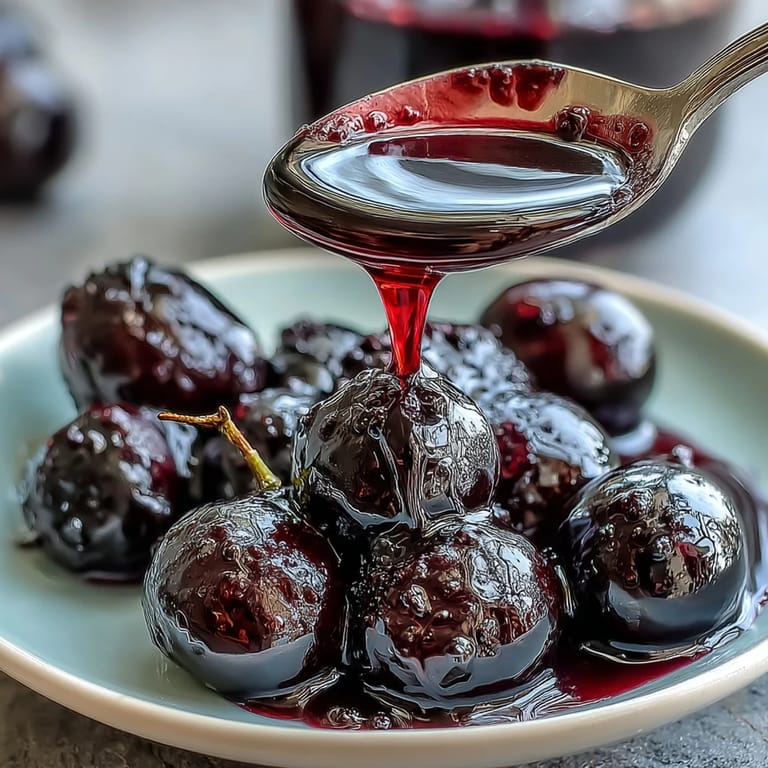
 The first time I made black currant syrup, I was completely unprepared for how intensely purple my kitchen would become. I had picked up a pint of these tart little gems at the farmers market, mostly because they looked like tiny jewels, and decided syrup was the best way to preserve their fleeting season. My hands were stained for days, but that first taste made every purple speck worth it.
I brought a bottle to a dinner party last fall, and the host immediately abandoned her planned cocktail menu to experiment with the syrup instead. We spent the evening mixing it into sparkling wine, drizzling it over vanilla ice cream, and even trying a splash in hot tea. Now every time I see her, she asks if I have more of that purple magic in my fridge.
Ingredients
- Fresh or frozen black currants: Fresh currants have a brighter, more complex flavor, but frozen work perfectly fine and are often easier to find outside summer months.
- Granulated sugar: The amount balances the natural tartness of currants without overpowering their unique flavor.
- Water: Just enough to help the fruit break down and release its juices.
- Lemon juice: This optional addition brightens the deep flavor and helps preserve the vibrant color.
Tired of Takeout? 🥡
Get 10 meals you can make faster than delivery arrives. Seriously.
One email. No spam. Unsubscribe anytime.
Instructions
- Prepare the fruit:
- Rinse the currants under cool water and pull off any stems or leaves. Take your time here, but do not stress about perfection.
- Simmer the fruit:
- Combine the currants and water in a medium saucepan over medium heat. Let it come to a gentle bubble and cook until all the berries have burst, about 10 to 12 minutes.
- Strain the mixture:
- Let it cool for just a few minutes so you do not burn yourself, then press everything through a fine-mesh sieve or cheesecloth. Really work the solids to get every drop of that precious juice.
- Sweeten and simmer:
- Return the juice to the pan, stir in the sugar and lemon juice, and bring it to a boil. Reduce heat and let it simmer until it thickens slightly, usually 10 to 15 minutes.
- Cool and store:
- Pour the finished syrup into sterilized bottles or jars and let it cool completely before refrigerating.
 Save to Pinterest
 My grandmother always kept a bottle of homemade fruit syrup in her refrigerator door, right between the milk and the pickle jar. Now whenever I open my own fridge and see that deep purple bottle glowing against the glass, I understand why she never wanted to be without it.
Ways to Use It
Beyond the obvious cocktail addition, try stirring a spoonful into plain yogurt or drizzling it over ricotta toast with fresh herbs. I have even whisked it into vinaigrette for salads that feature bitter greens or goat cheese.
Making It Yours
A vanilla bean split and added during the simmering step adds this lovely, floral depth that people can never quite identify. Fresh herbs like thyme or rosemary work beautifully too, especially if you plan to use the syrup in cocktails.
Storage and Season
The syrup keeps well for about a month in the refrigerator, though I have never managed to make it last that long. If you find yourself with an abundance of fresh currants in summer, make a double batch and freeze some in ice cube trays.
- Label your bottles with the date so you can keep track of freshness.
- Leave about an inch of headspace if freezing to allow for expansion.
- Thaw frozen syrup in the refrigerator overnight for best results.
 Save to Pinterest
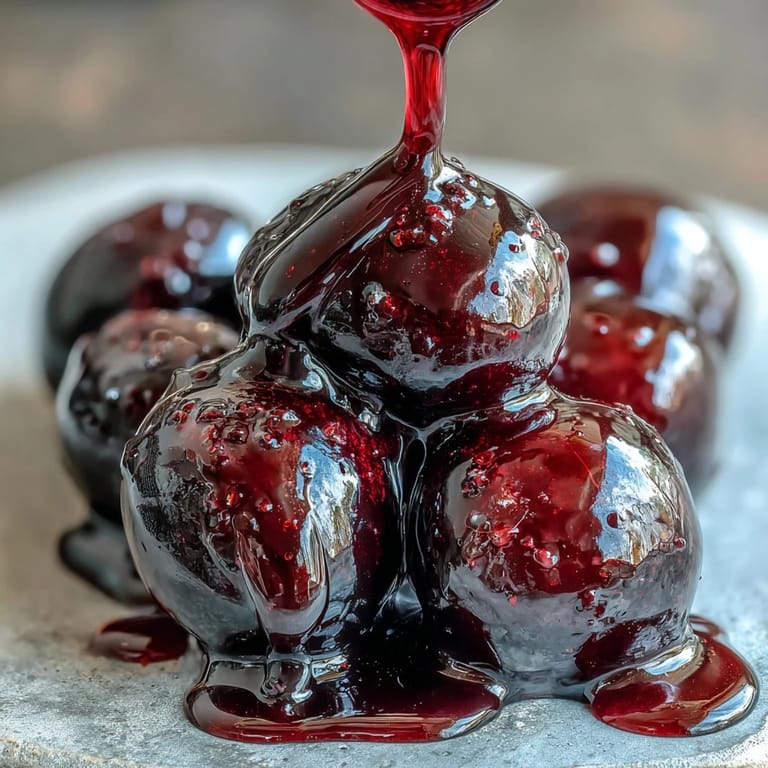
 There is something deeply satisfying about making something so beautiful and useful from such humble ingredients. Once you taste the real thing, store bought syrups will never quite measure up again.
Recipe FAQ
- → How long does homemade black currant syrup last?
When stored properly in sterilized glass bottles or jars and kept refrigerated, this syrup maintains its quality for up to one month. The high sugar content acts as a natural preservative, but always check for any changes in smell, appearance, or taste before using.
- → Can I use frozen black currants instead of fresh?
Absolutely. Frozen currants work equally well and may even release their juices more readily during the initial simmering phase. Thaw them slightly before use, or add them directly to the pan with the water—just extend the cooking time by a few minutes to ensure they've completely broken down.
- → What's the purpose of lemon juice in this syrup?
Lemon juice serves multiple functions: it brightens the overall flavor profile, enhances the natural tanginess of the currants, and helps stabilize the syrup's vibrant color. The acidity also aids in preserving the syrup and balances the sweetness from the sugar, creating a more complex, well-rounded taste.
- → How can I tell when the syrup is thick enough?
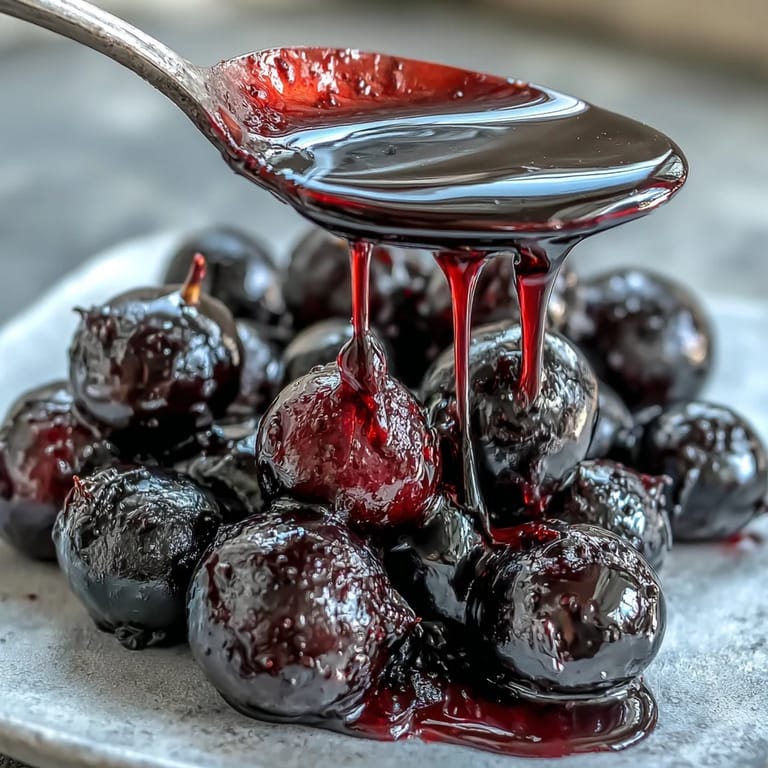
The syrup is ready when it coats the back of a spoon and leaves a clear path when you run your finger through it. After 10-15 minutes of simmering, you can also test by placing a small amount on a chilled plate—if it holds its shape without spreading too thinly, it's reached the right consistency. Remember that it will continue to thicken slightly as it cools.
- → What are some creative ways to use this syrup?
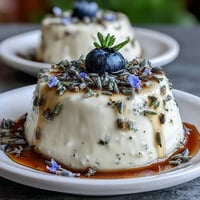
Beyond the obvious cocktails and mocktails, try drizzling it over pancakes or waffles, swirling into oatmeal, mixing into vinaigrettes for salads, or layering into yogurt parfaits. It pairs exceptionally well with vanilla, almond, and lemon flavors. For a sophisticated dessert presentation, serve alongside panna cotta or cheesecake, or use it to glaze fresh summer berries.
- → Can I reduce the sugar content?
While sugar helps preserve the syrup and achieve the proper consistency, you can reduce it slightly—though this may affect shelf life and thickness. If you prefer less sweetness, try using honey or maple syrup as alternatives, keeping in mind they'll add their own distinct flavors. Without sufficient sugar, consider storing the syrup for only 1-2 weeks and using it more quickly.